Roman hills
Castelli Romani: silent geometries and Mediterranean maquis in a living garden.
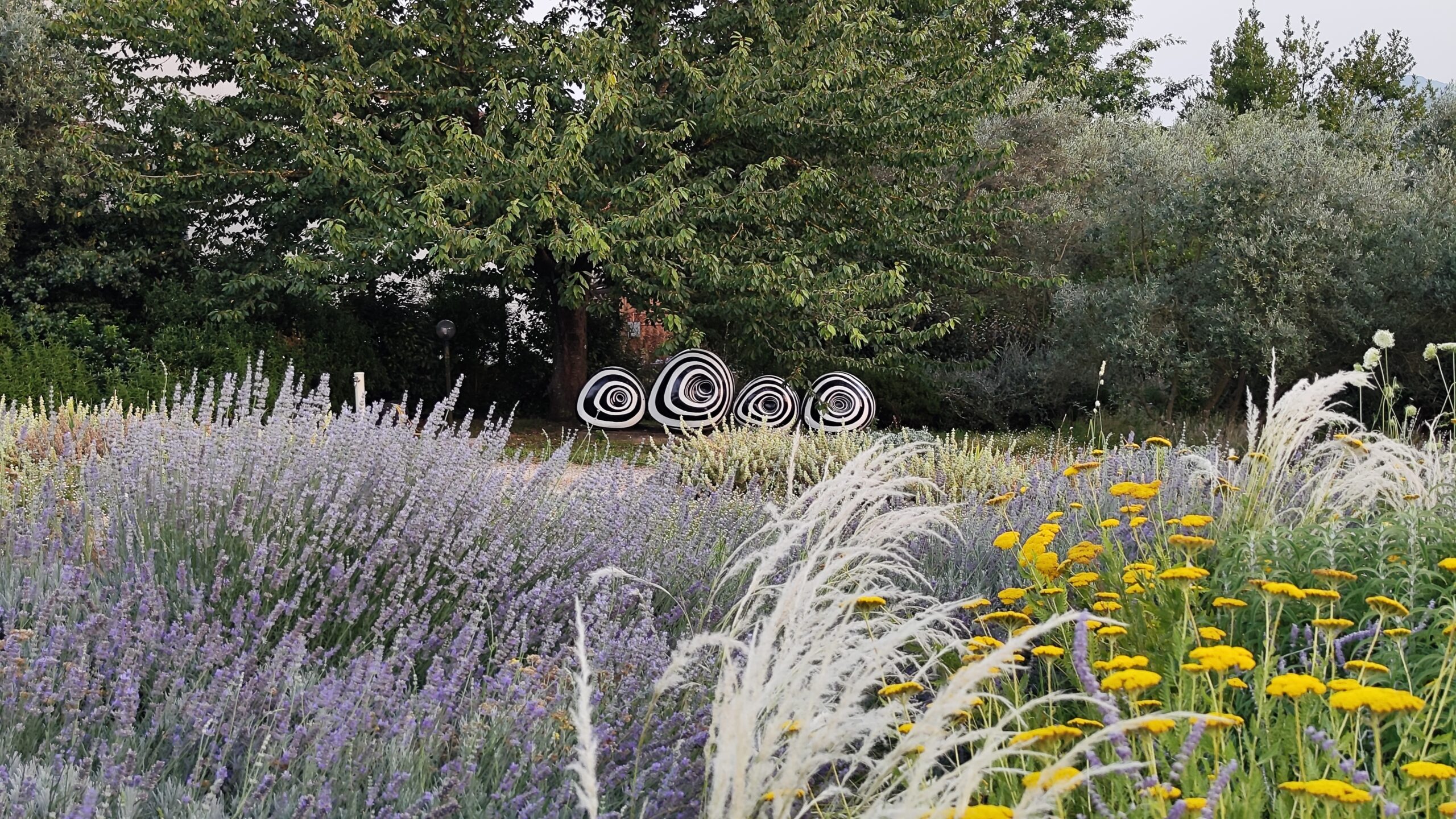
Situated on the Roman hills, this garden unfolds like a slow narrative. Documenting its evolution over the years has allowed us to confirm its resilience, an intrinsic characteristic of the naturalistic garden.
Far from static classical perfection, here identity shifts and refines itself over time. We fostered an ecosystem where our hand only guides, leaving nature as the absolute protagonist.
A work asking for patience, destined to mature with grace to whisper a new and possible balance.
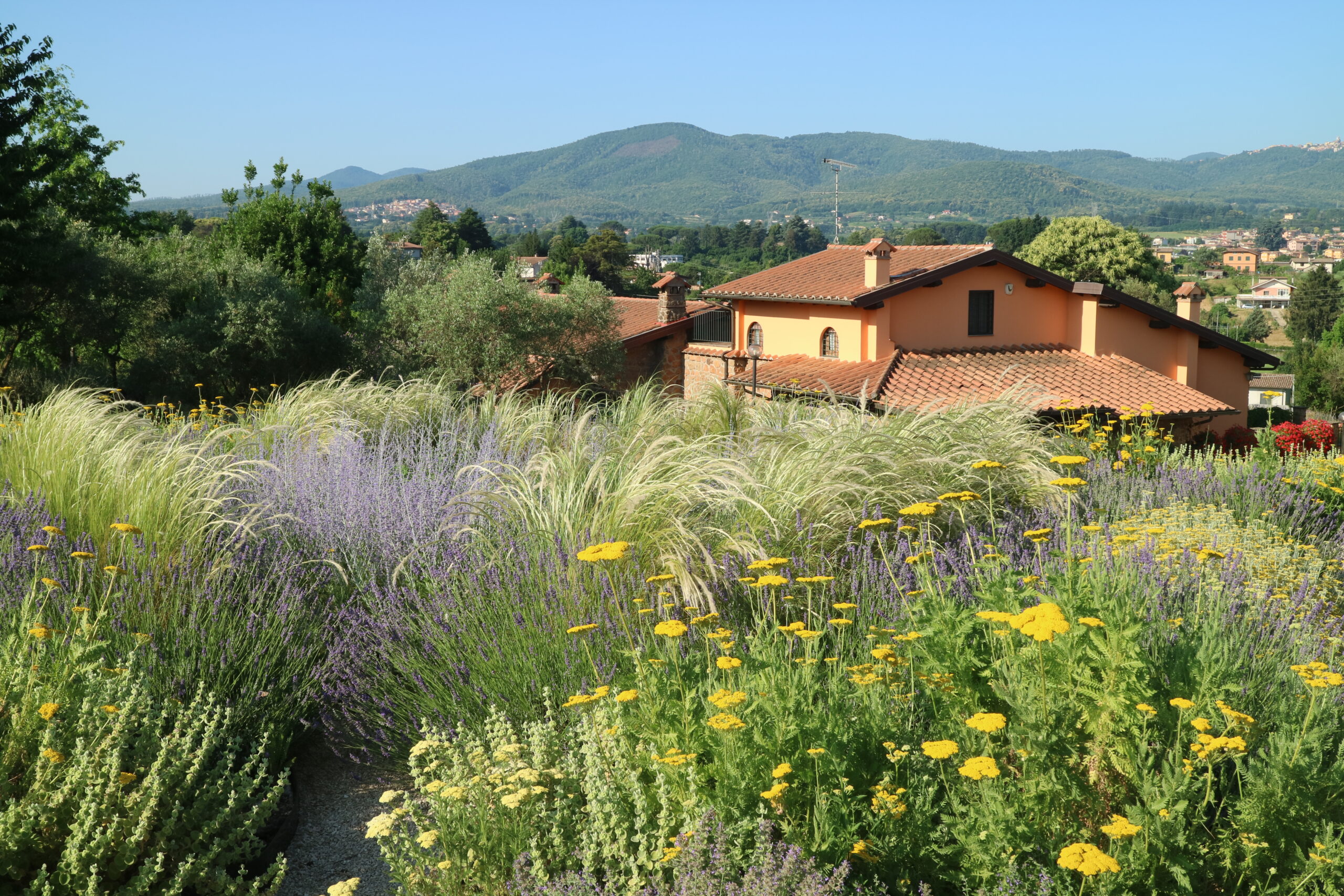
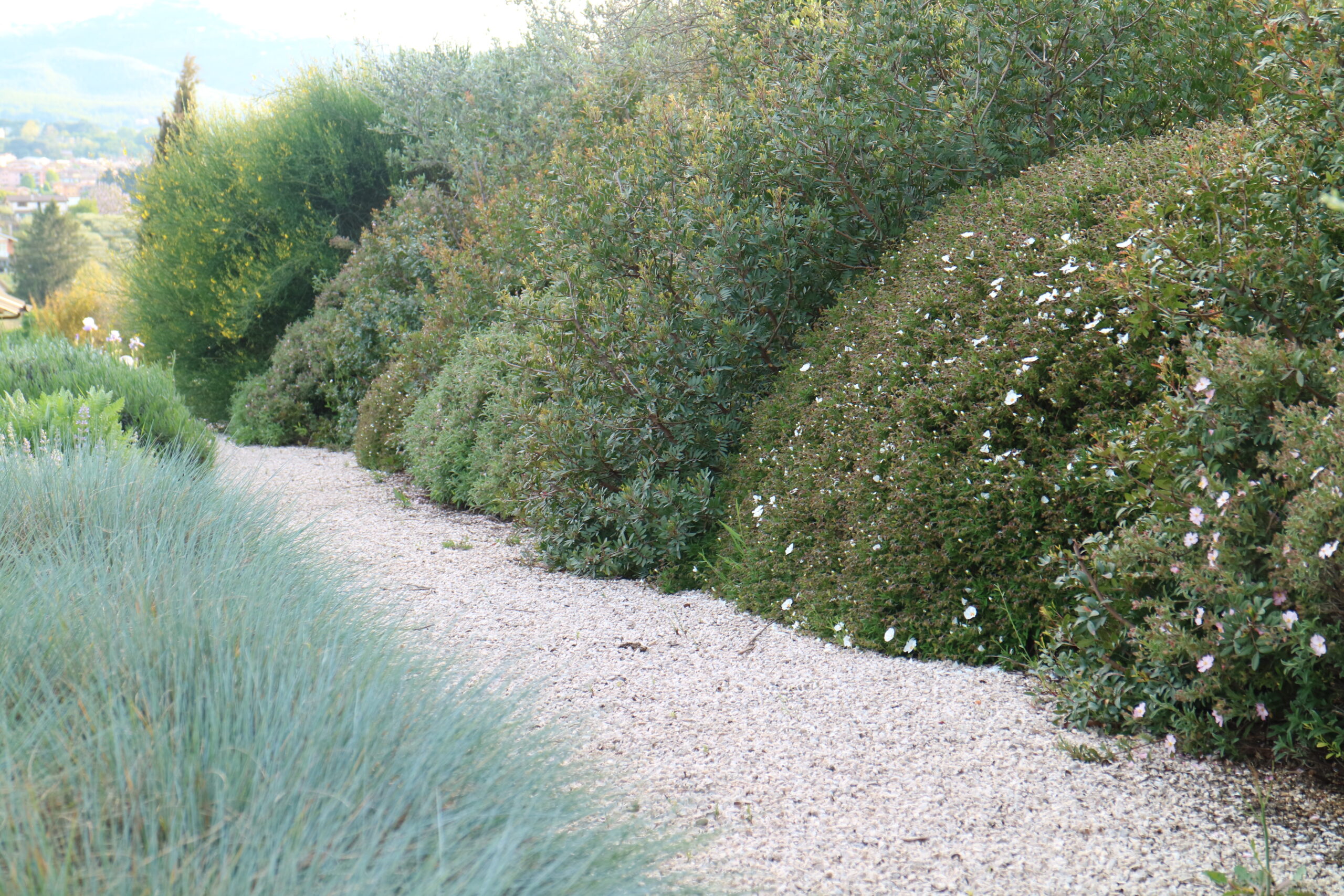
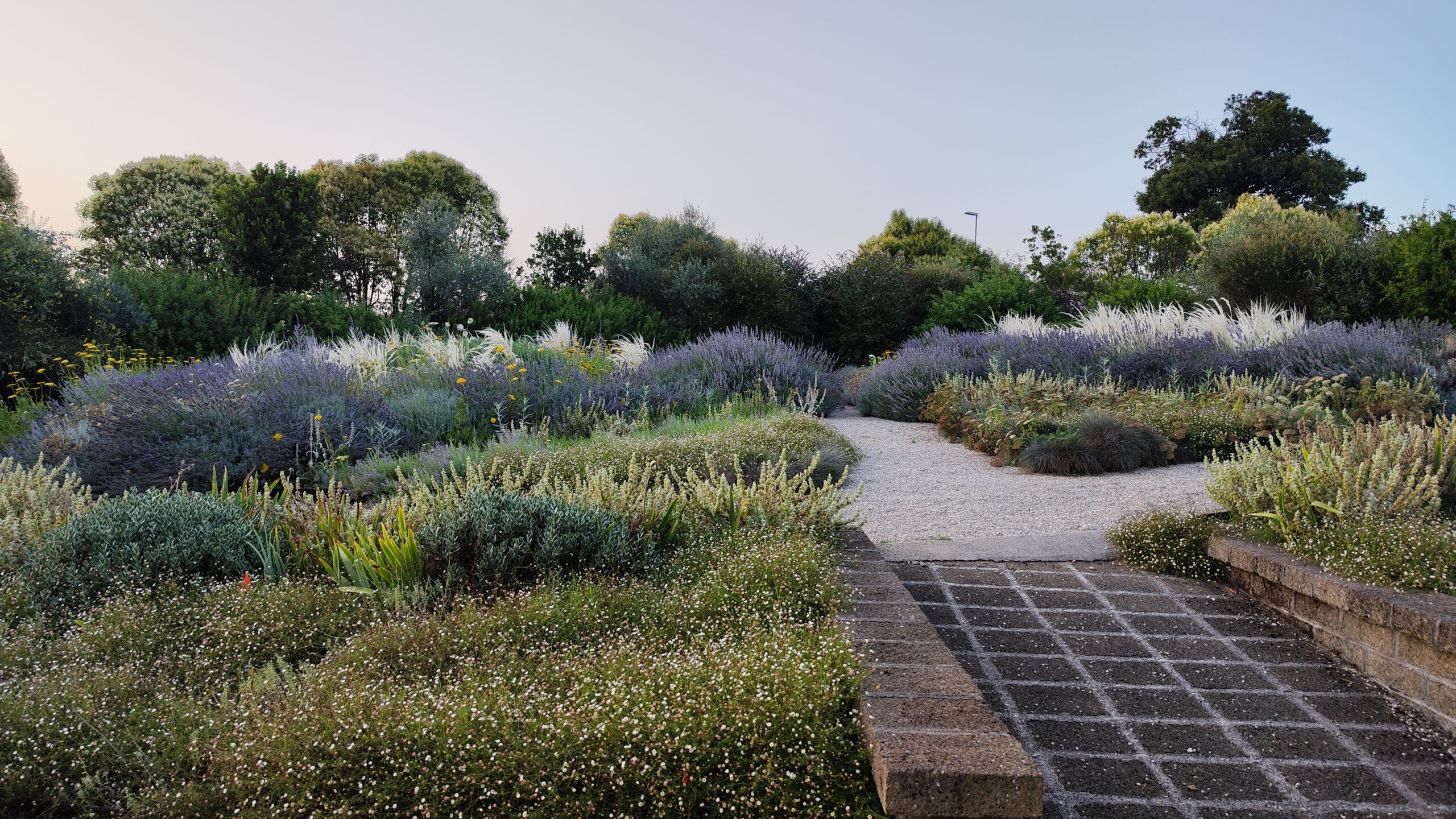
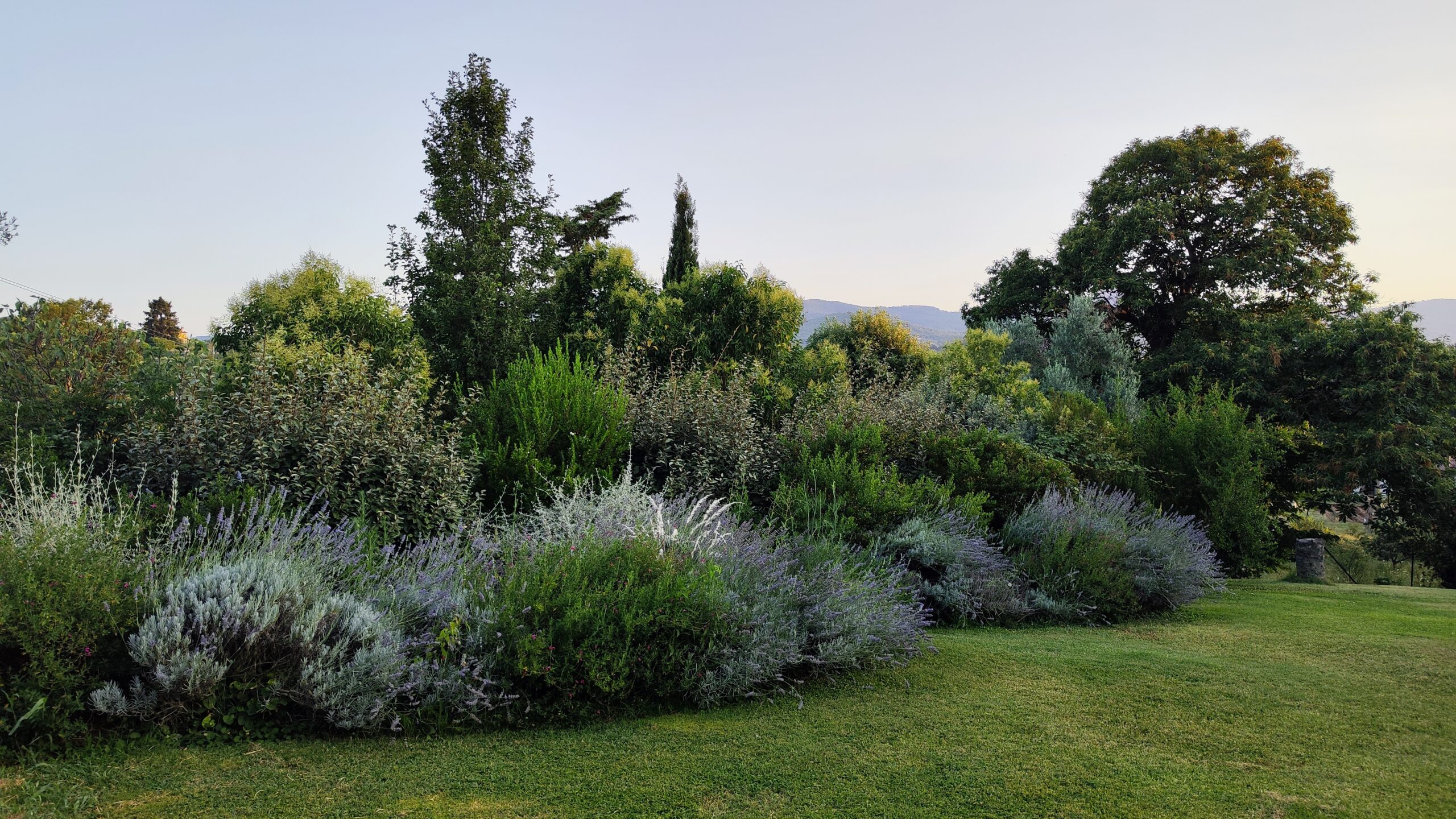
We sought a dialogue between the rigor of form and the freedom of the landscape. Defined spaces fade into soft volumes, in a balance that is never definitive.
It is a garden that does not repeat itself: it evolves, building its own soul over time. No imposition, only gentle guidance.
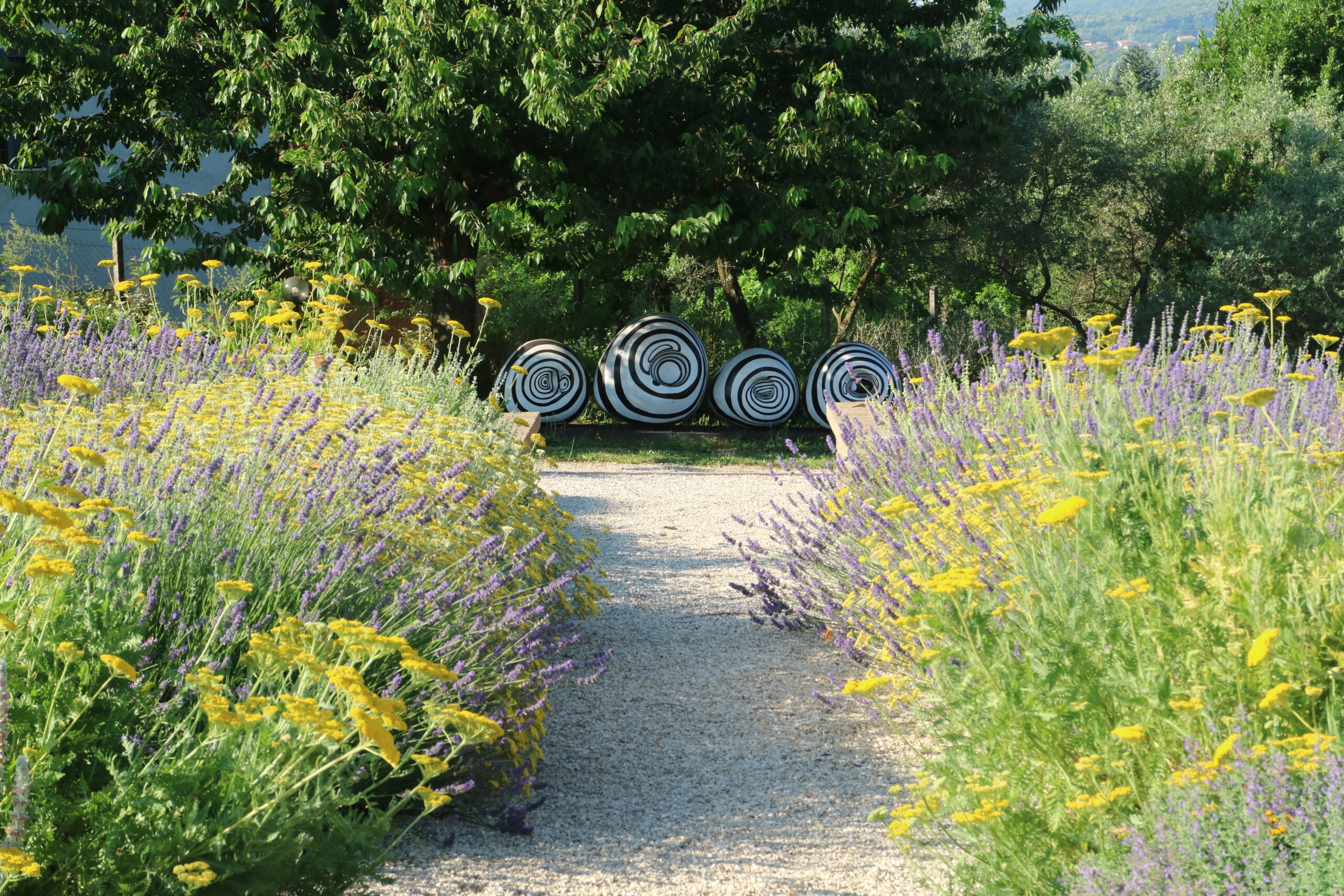
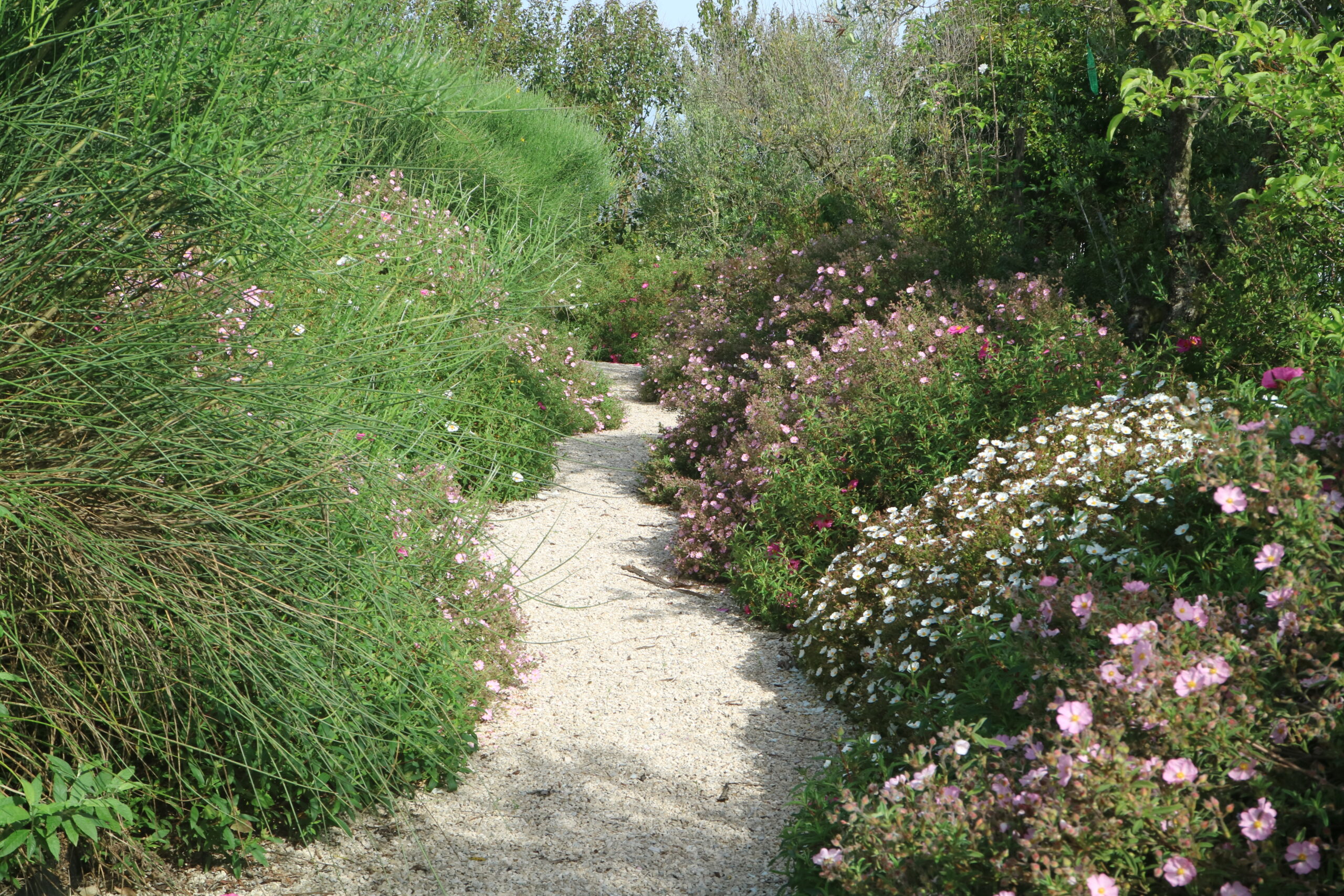
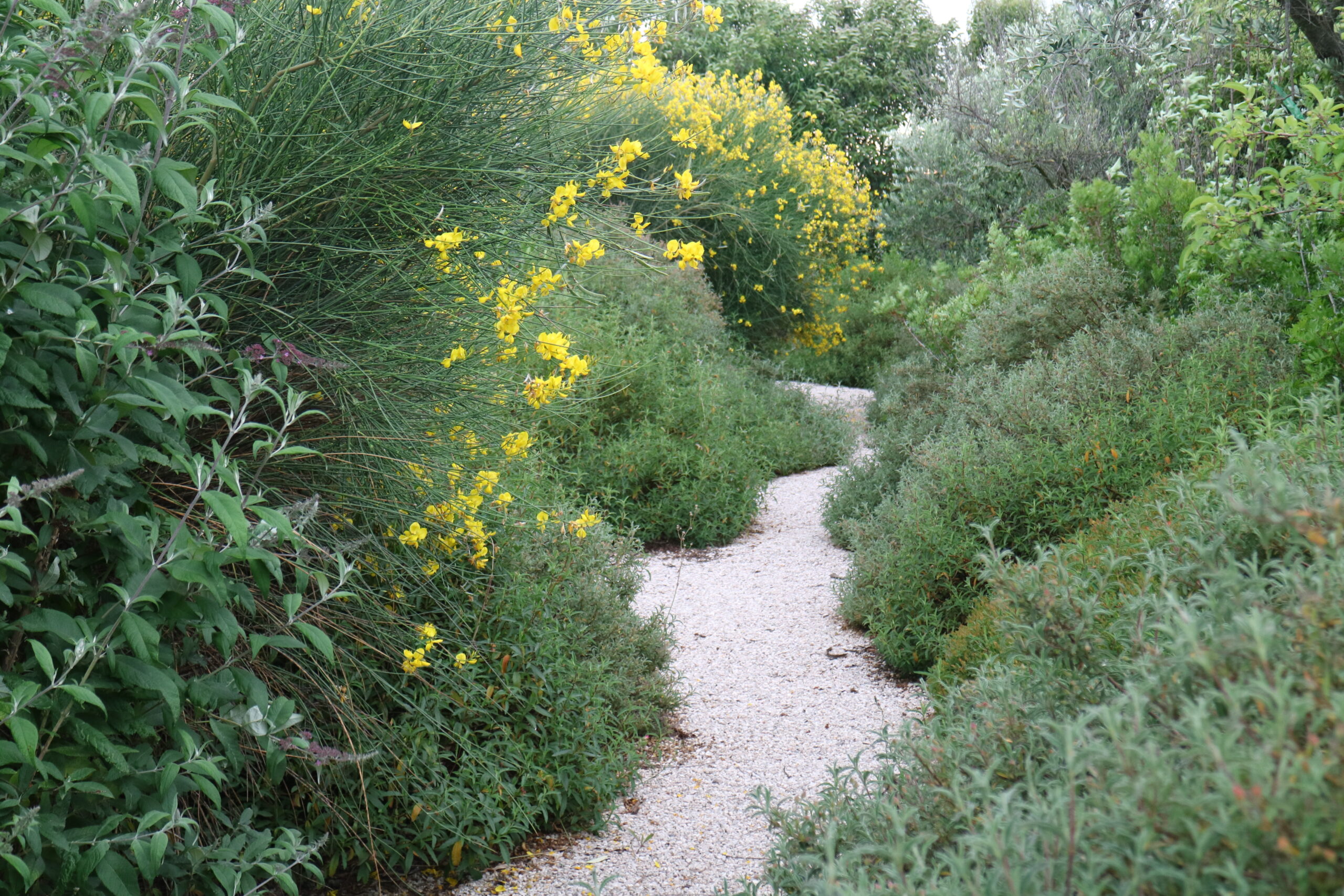
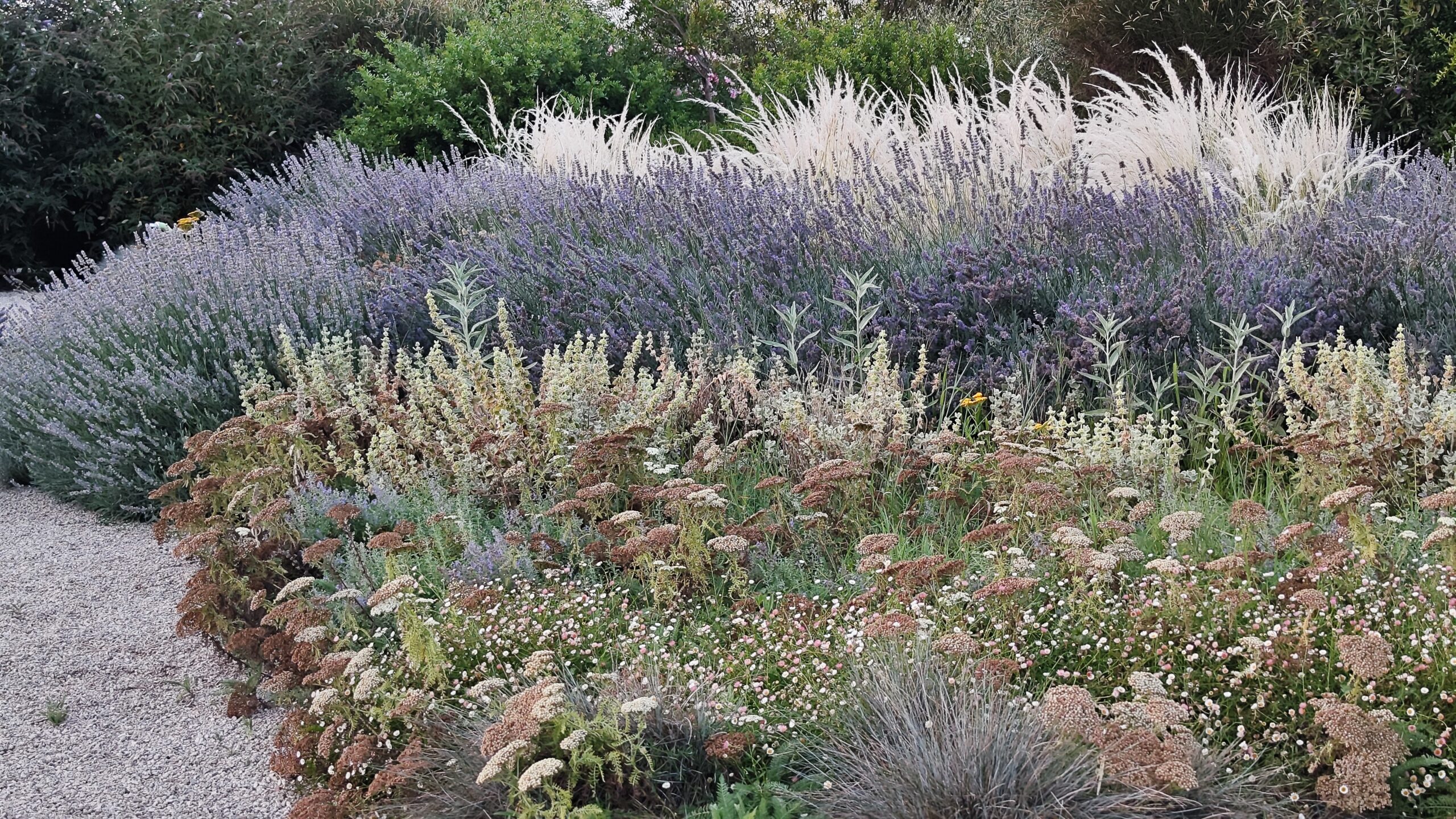
We let the plants, as they grow, soften the lines and caress the paths, restoring that naturalness only waiting can bestow. It is the aesthetics of becoming that transcends fixed form.
Here, technique becomes an invisible guardian. During the planting phase, we improved the soil with sand and inoculated plants with symbiotic fungi which, bonding with the roots, sustain and protect the entire plant organism.
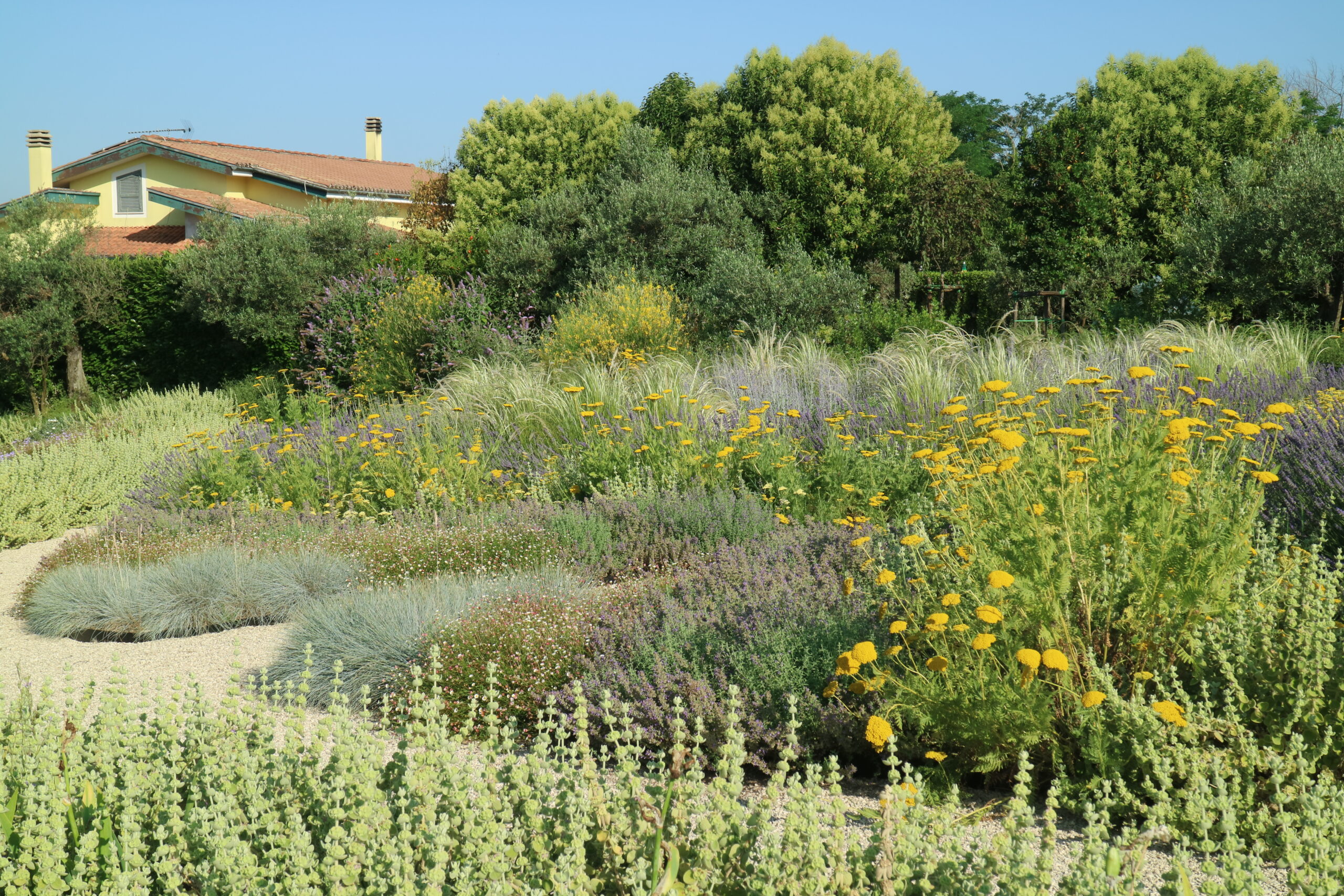
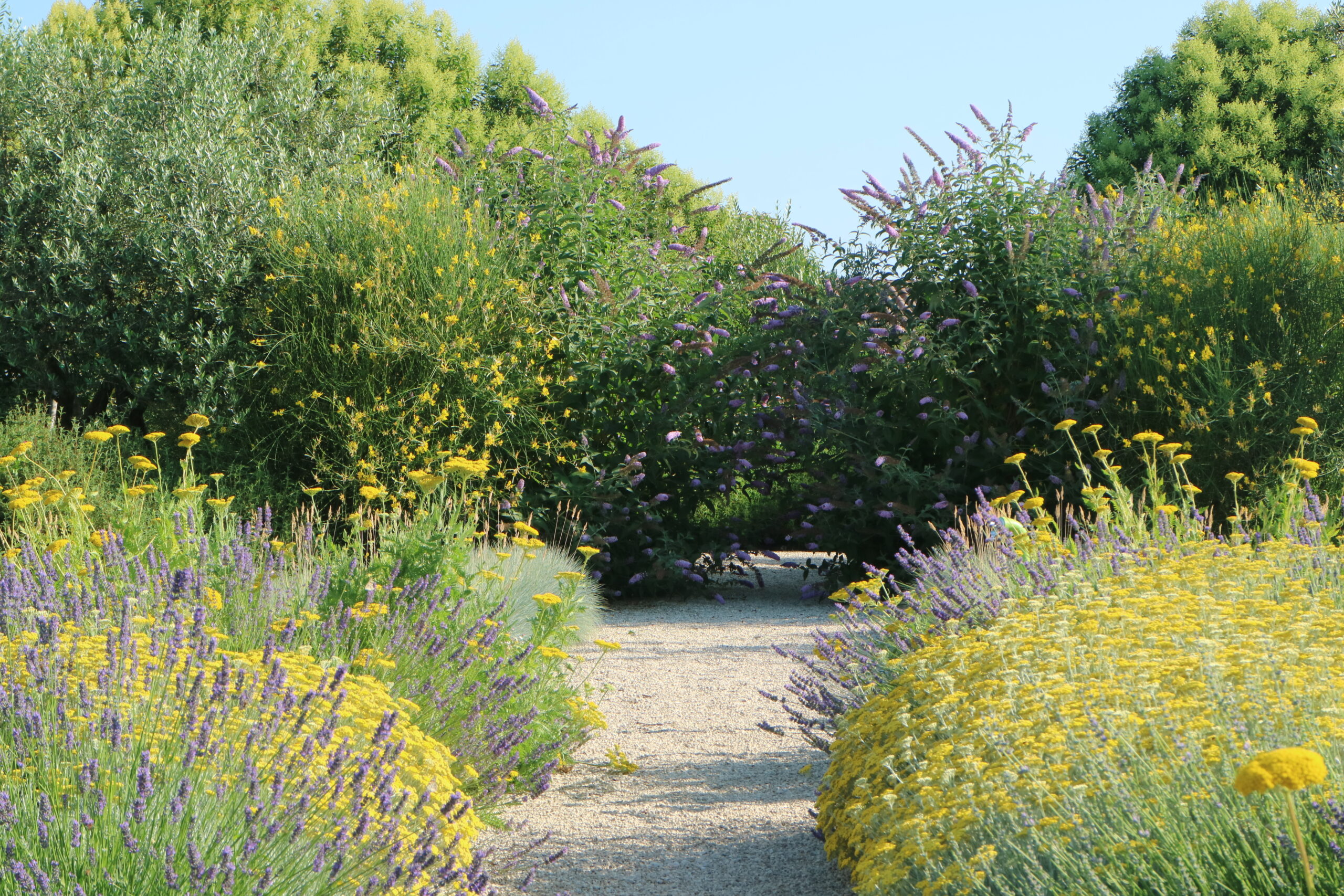
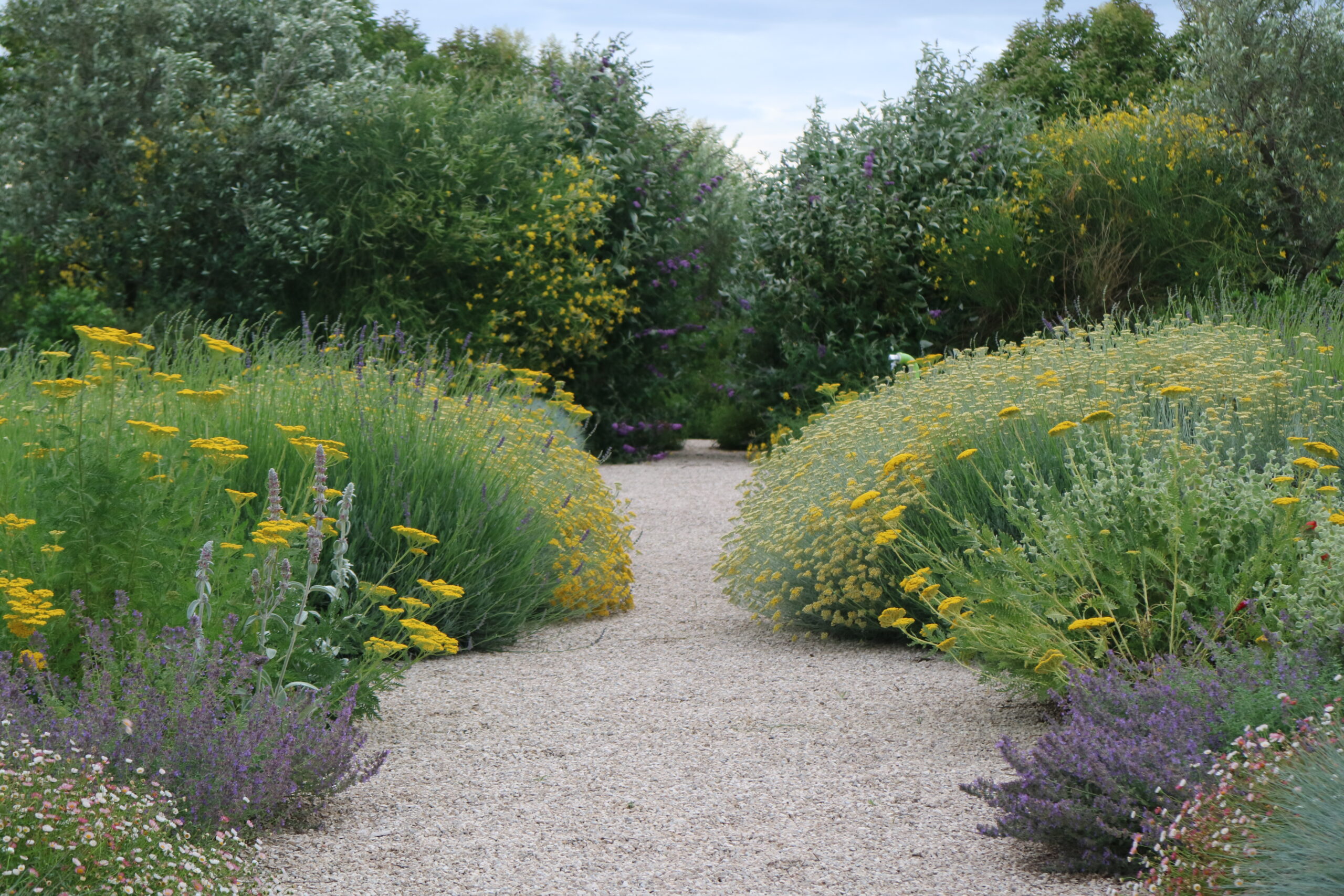
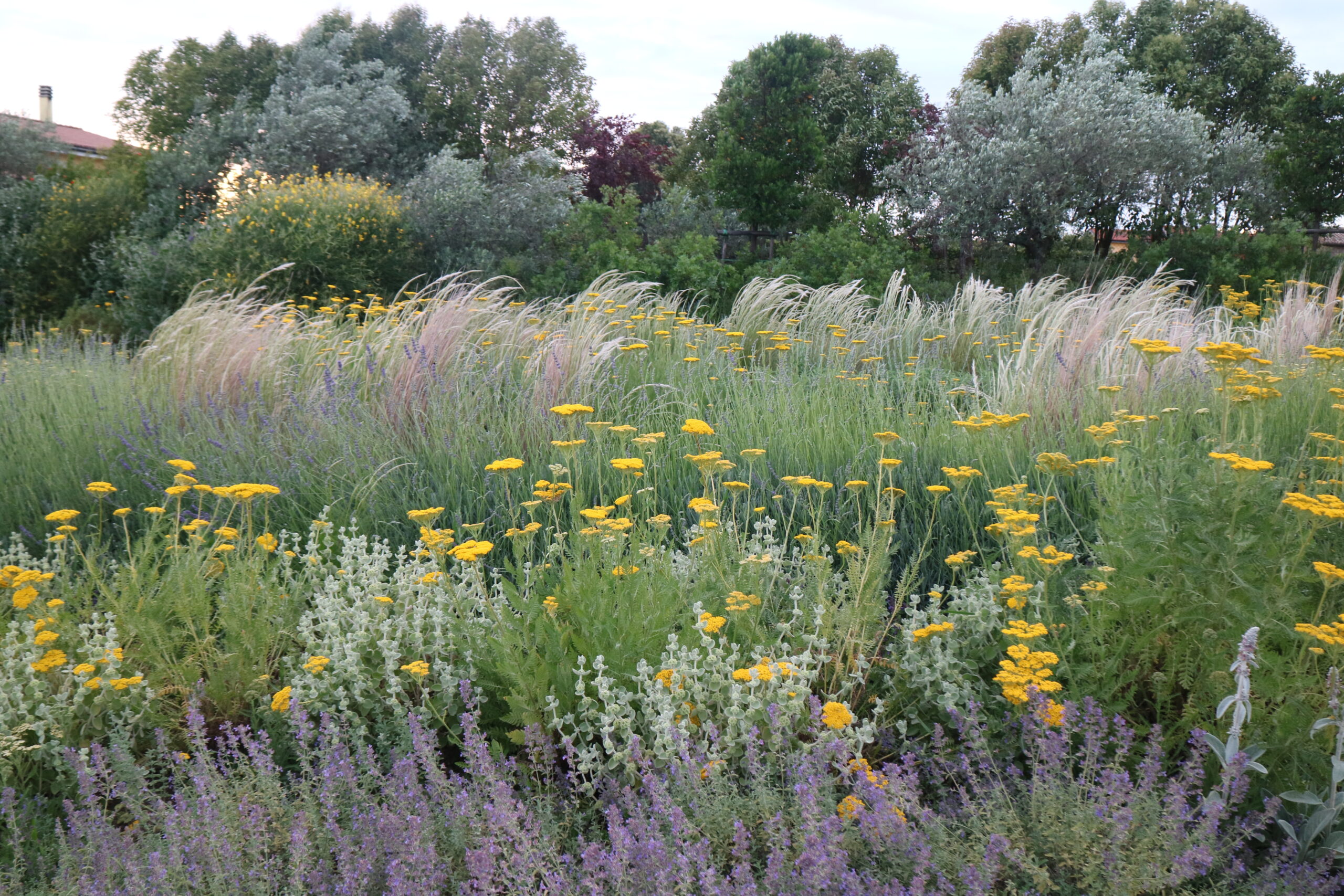
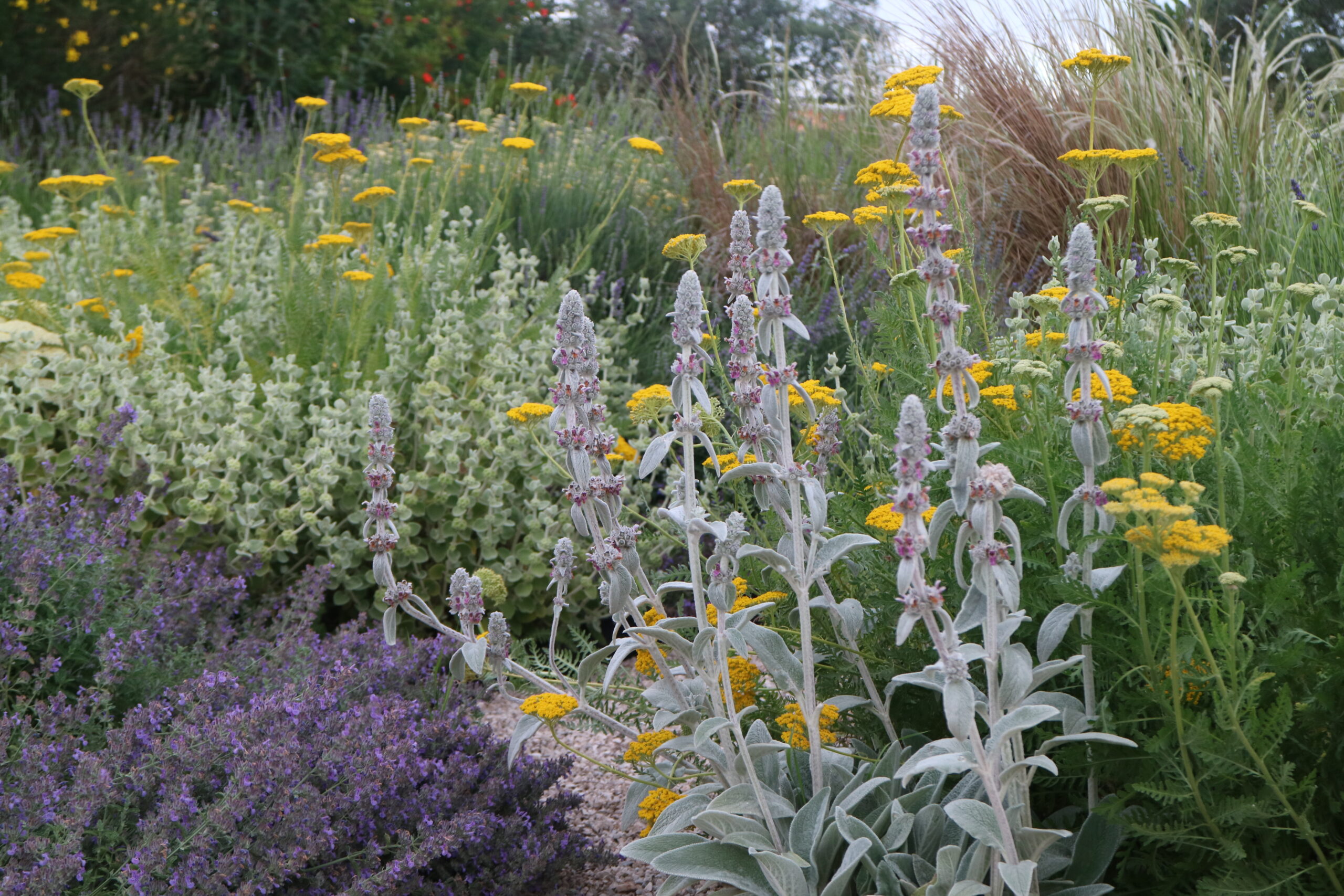
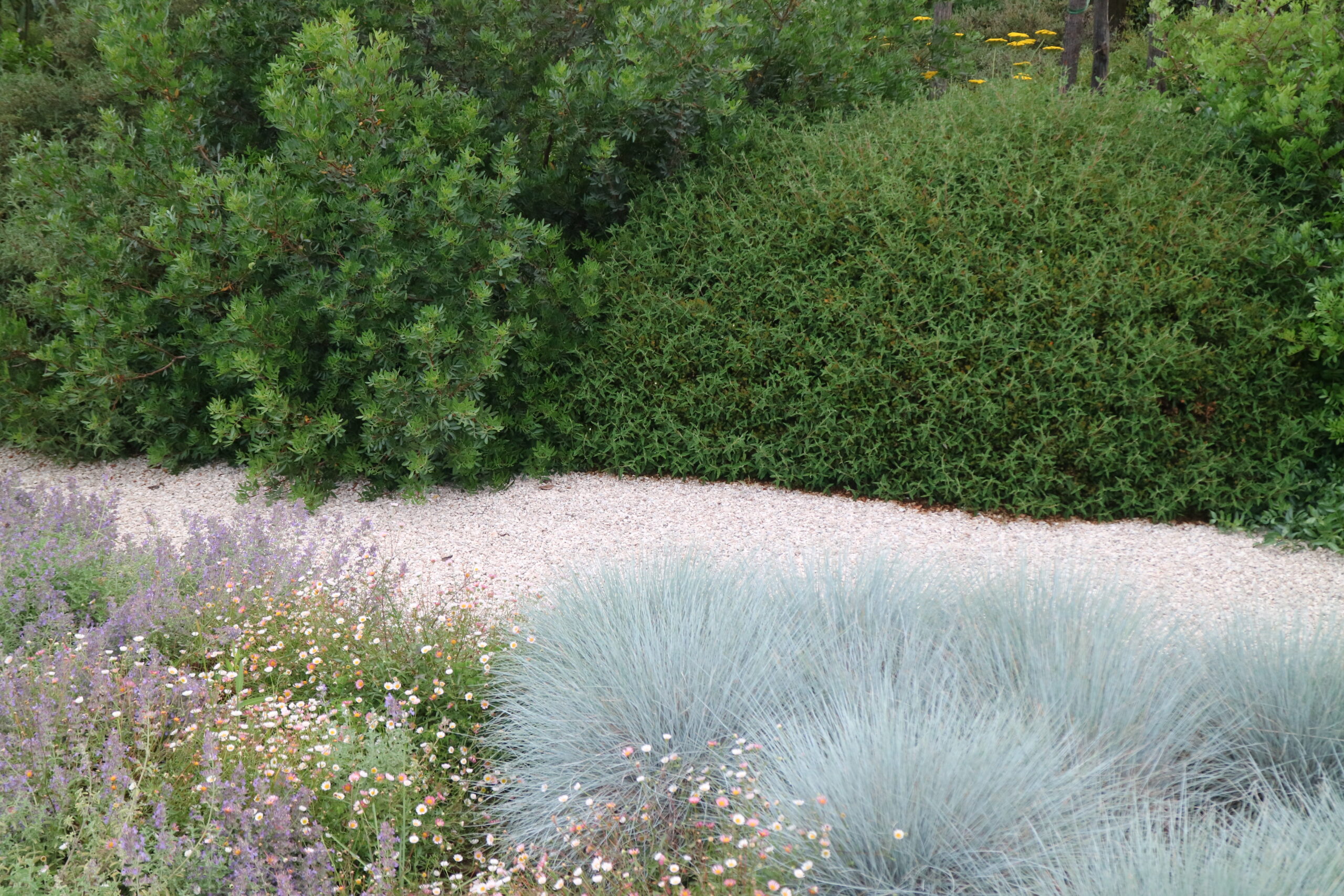
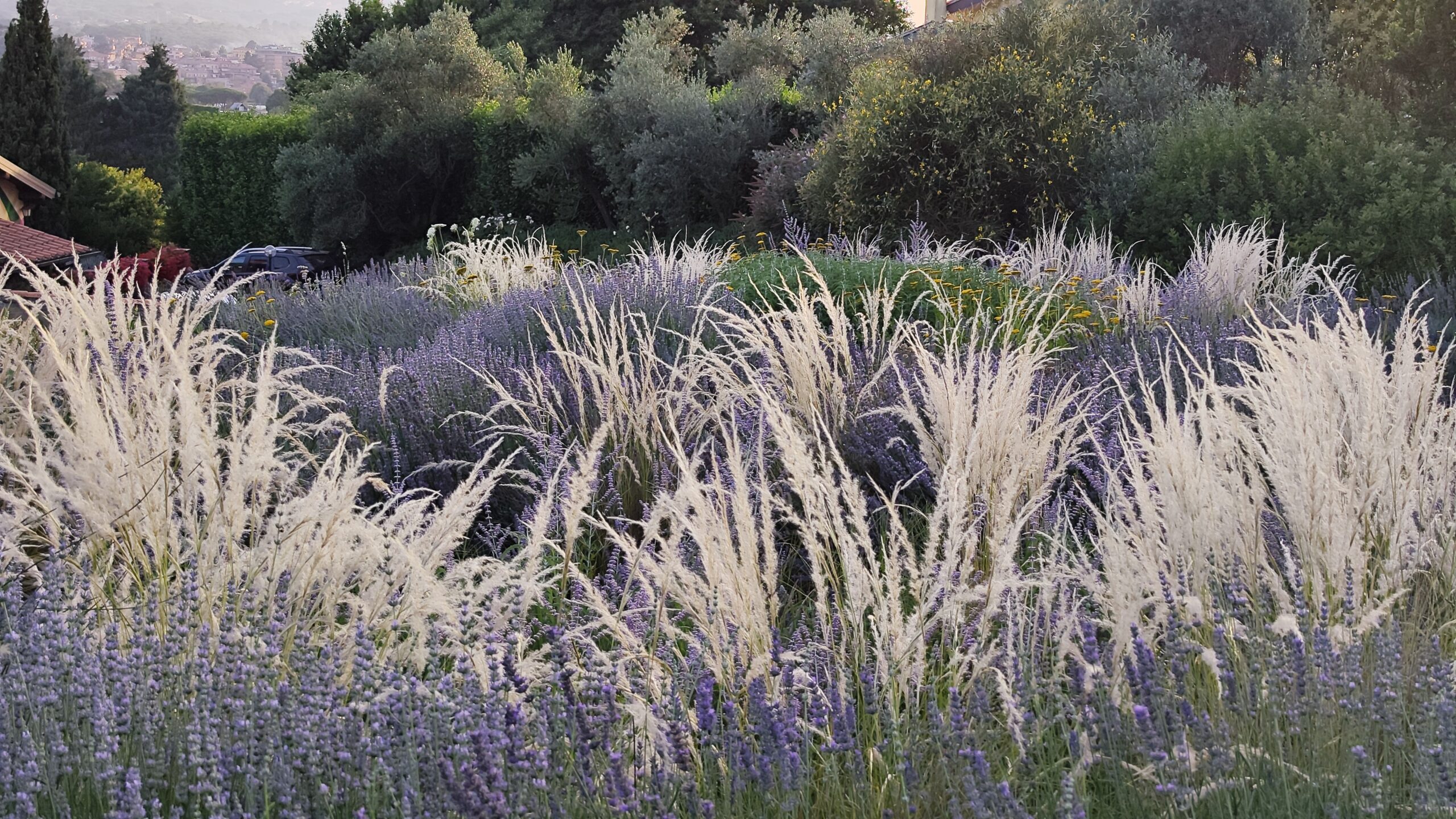
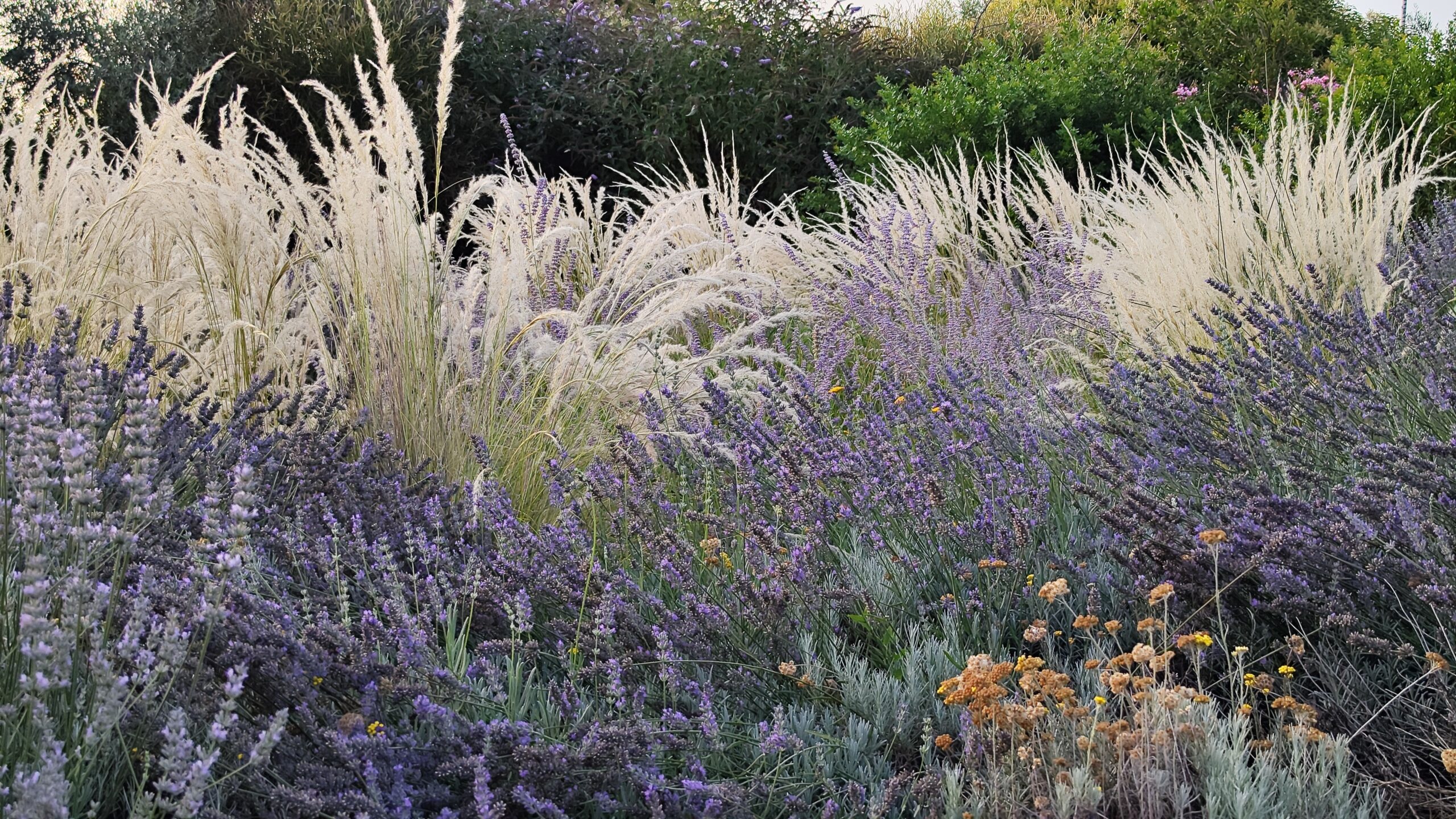
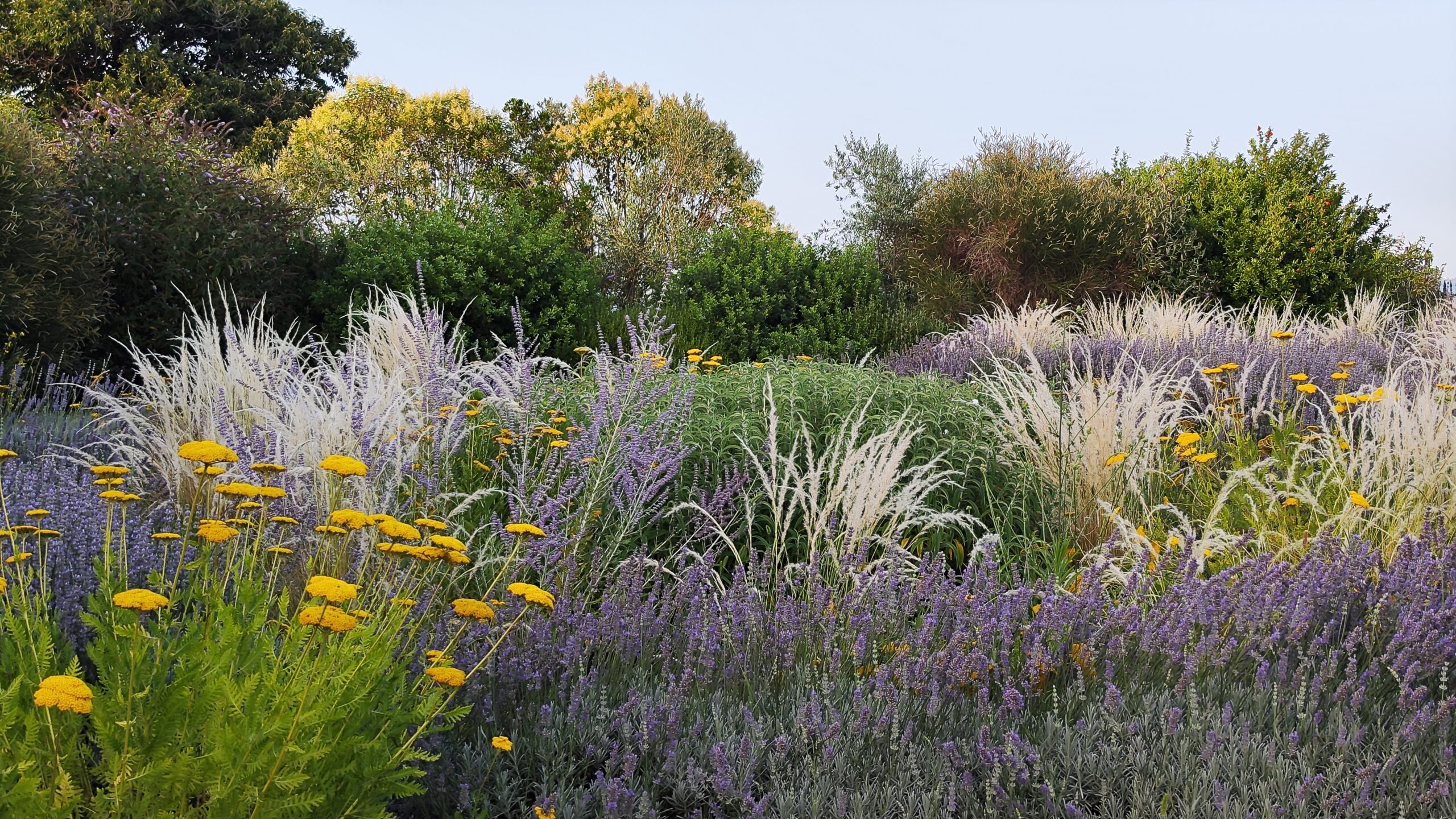
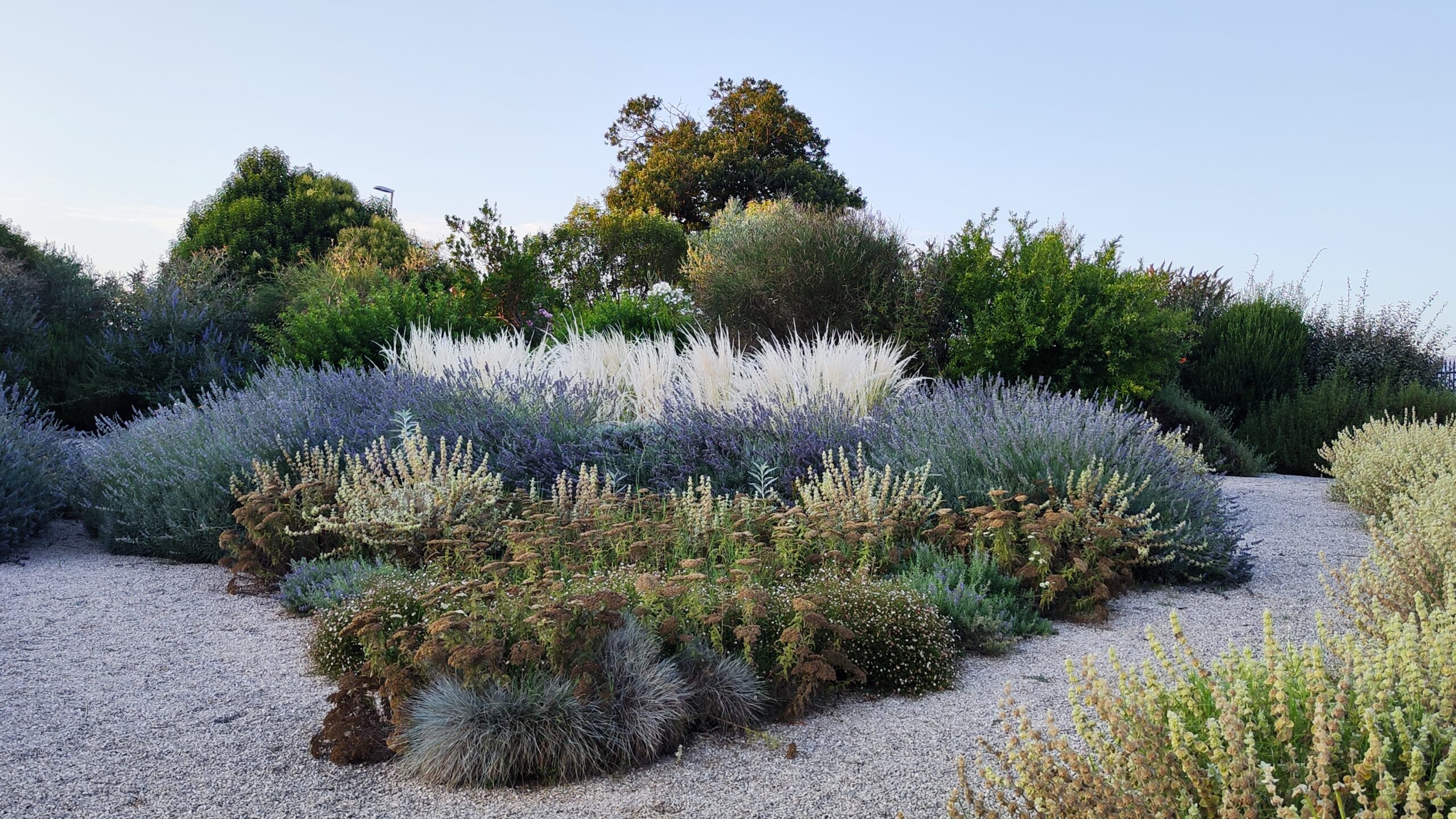
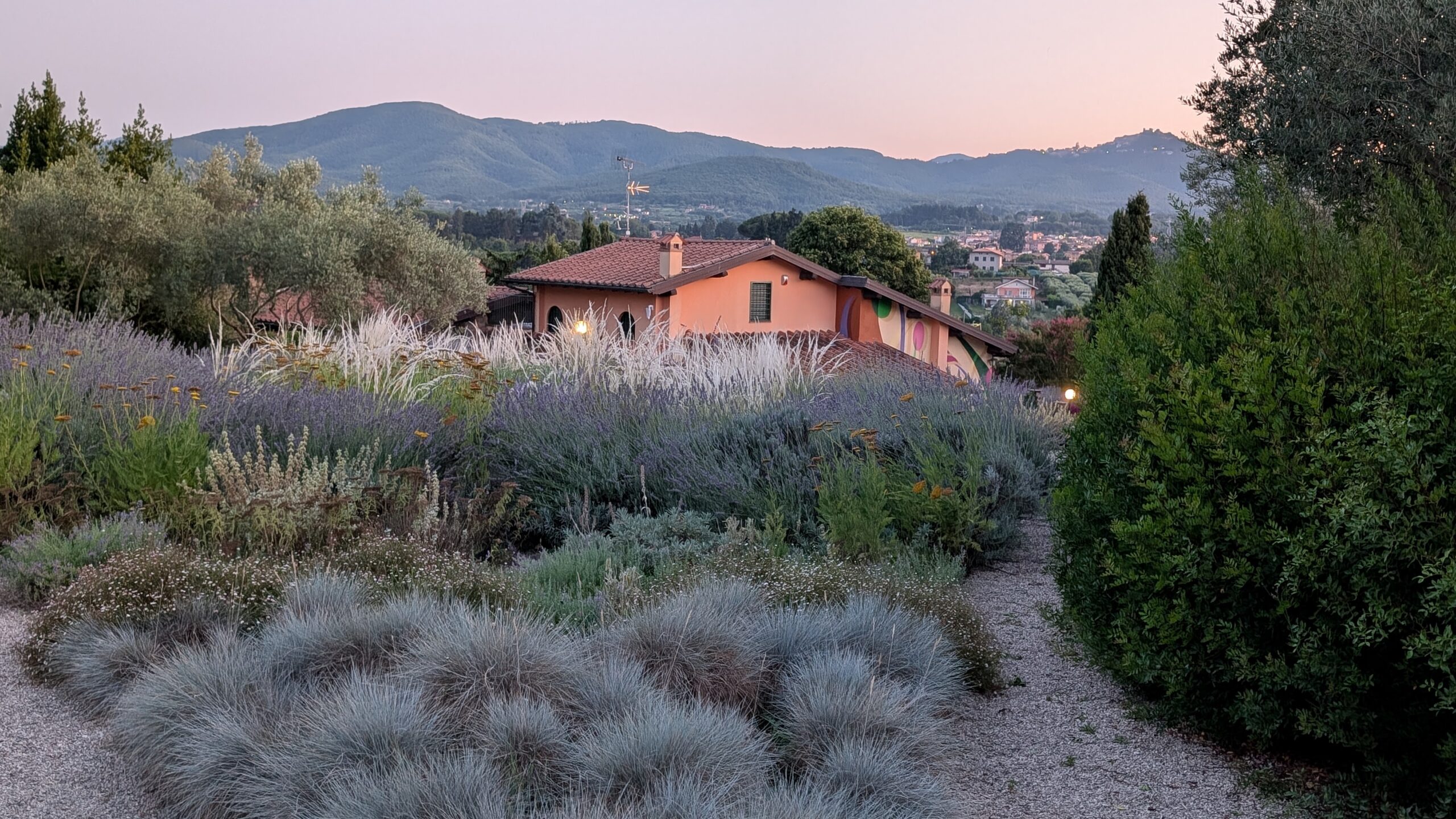
The botanical selection is an ode to the maquis: Arbutus unedo, Myrtus communis, and Phillyrea angustifolia create green backdrops that restore the spirit. Cistus and Teucrium lend structure, while a butterfly refuge, between Buddleja and Verbena, brings vital vibration.
Each species is positioned intuiting its evolution, an irreplaceable piece of a complex ecological choreography ensuring health and beauty over time.
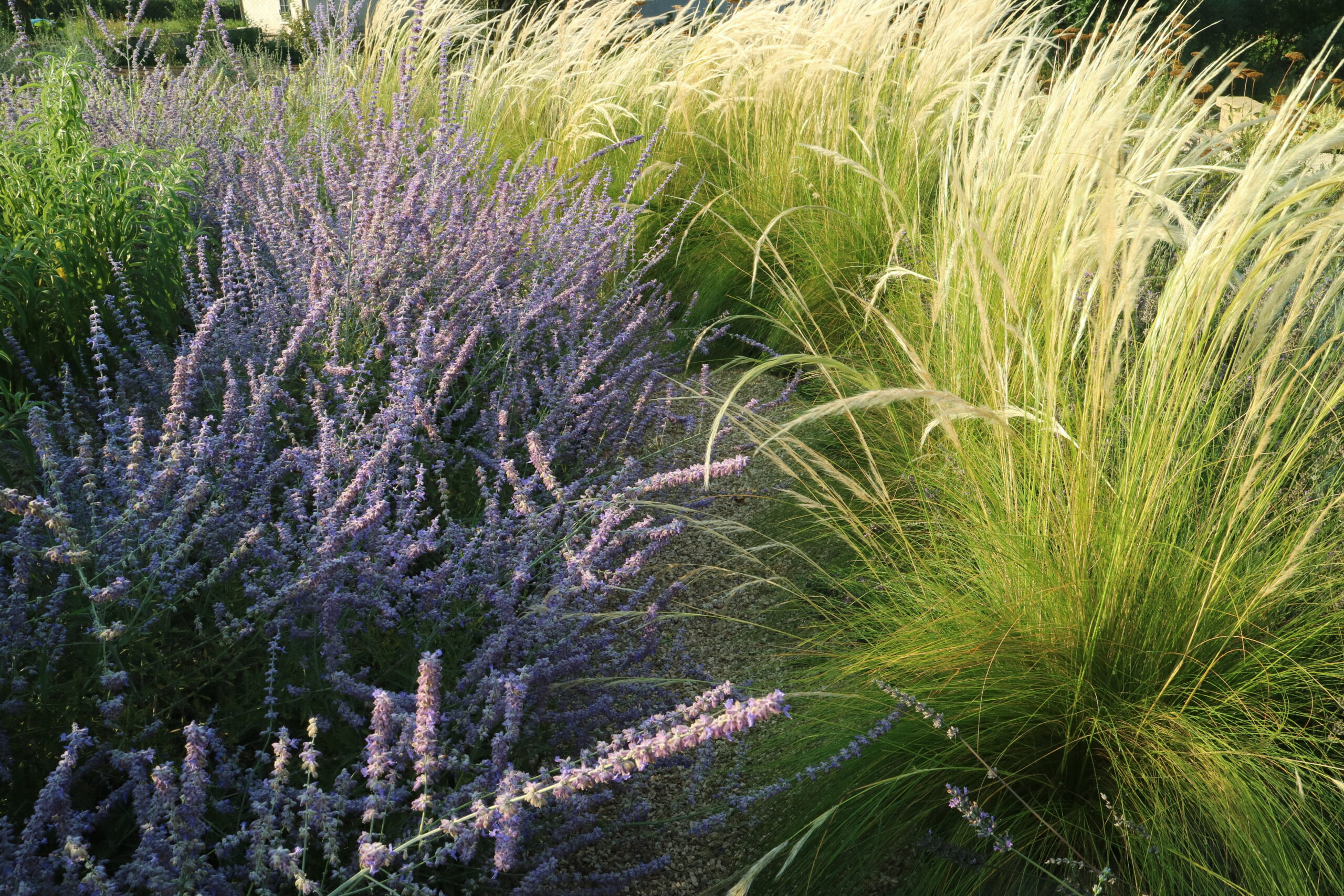
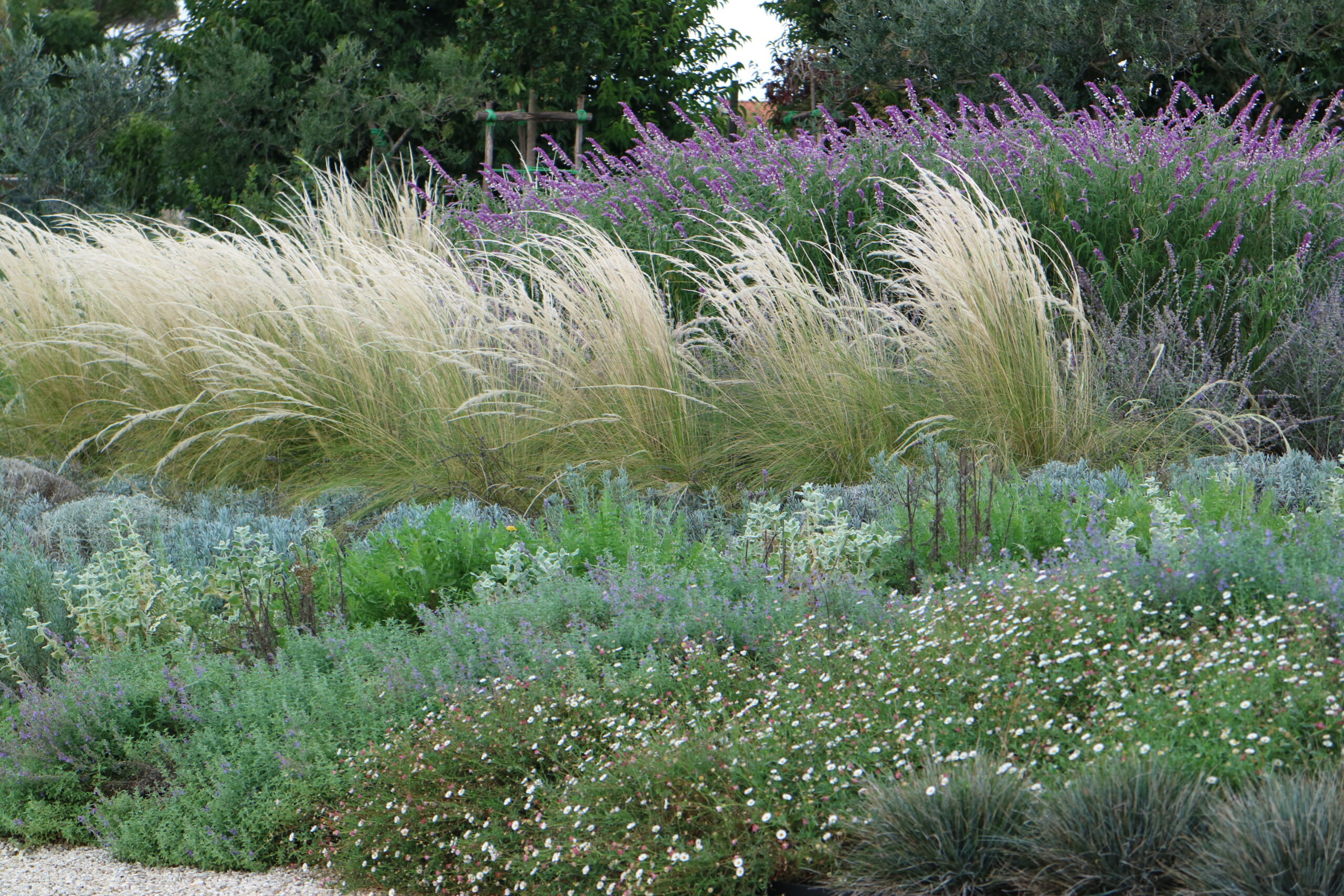
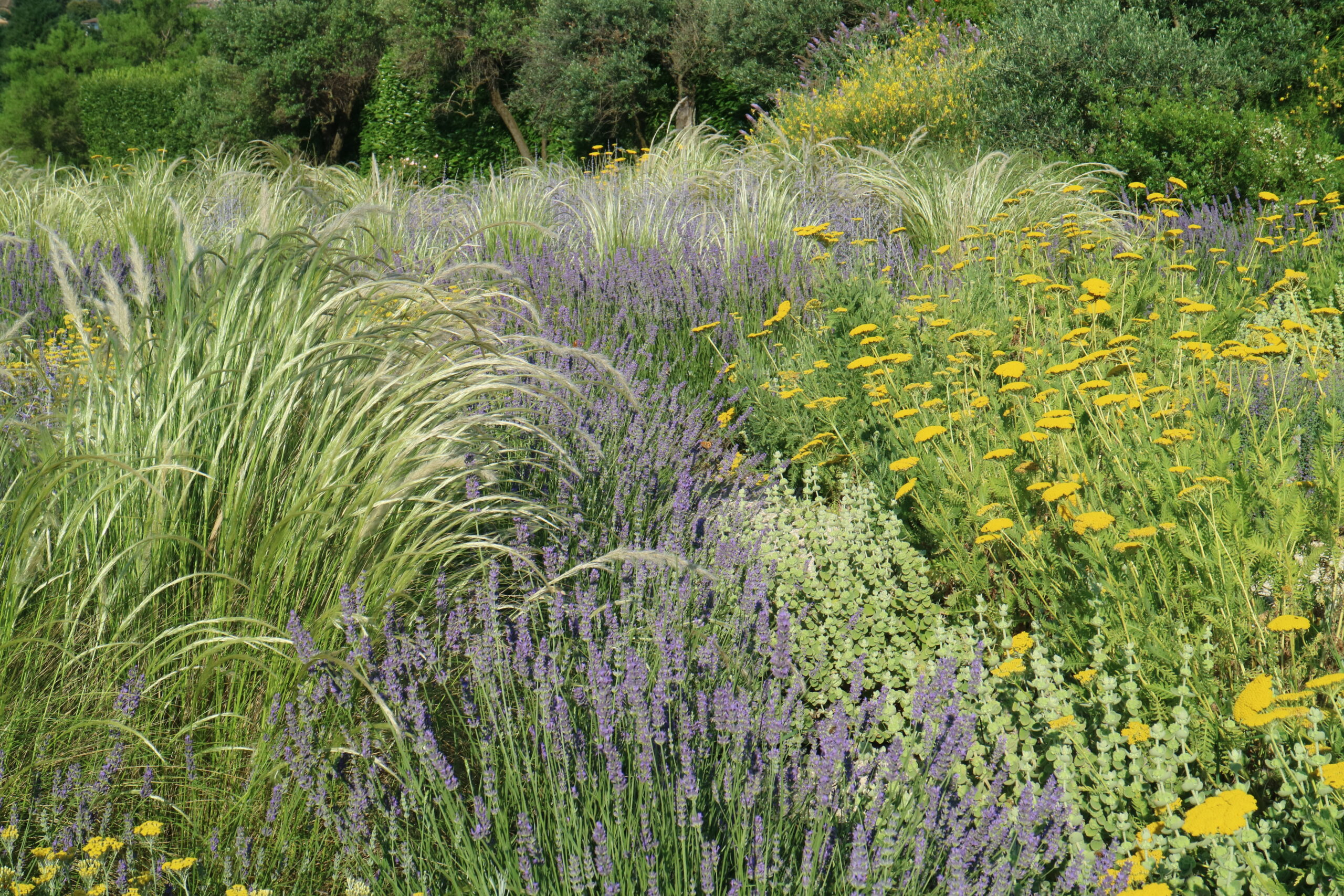
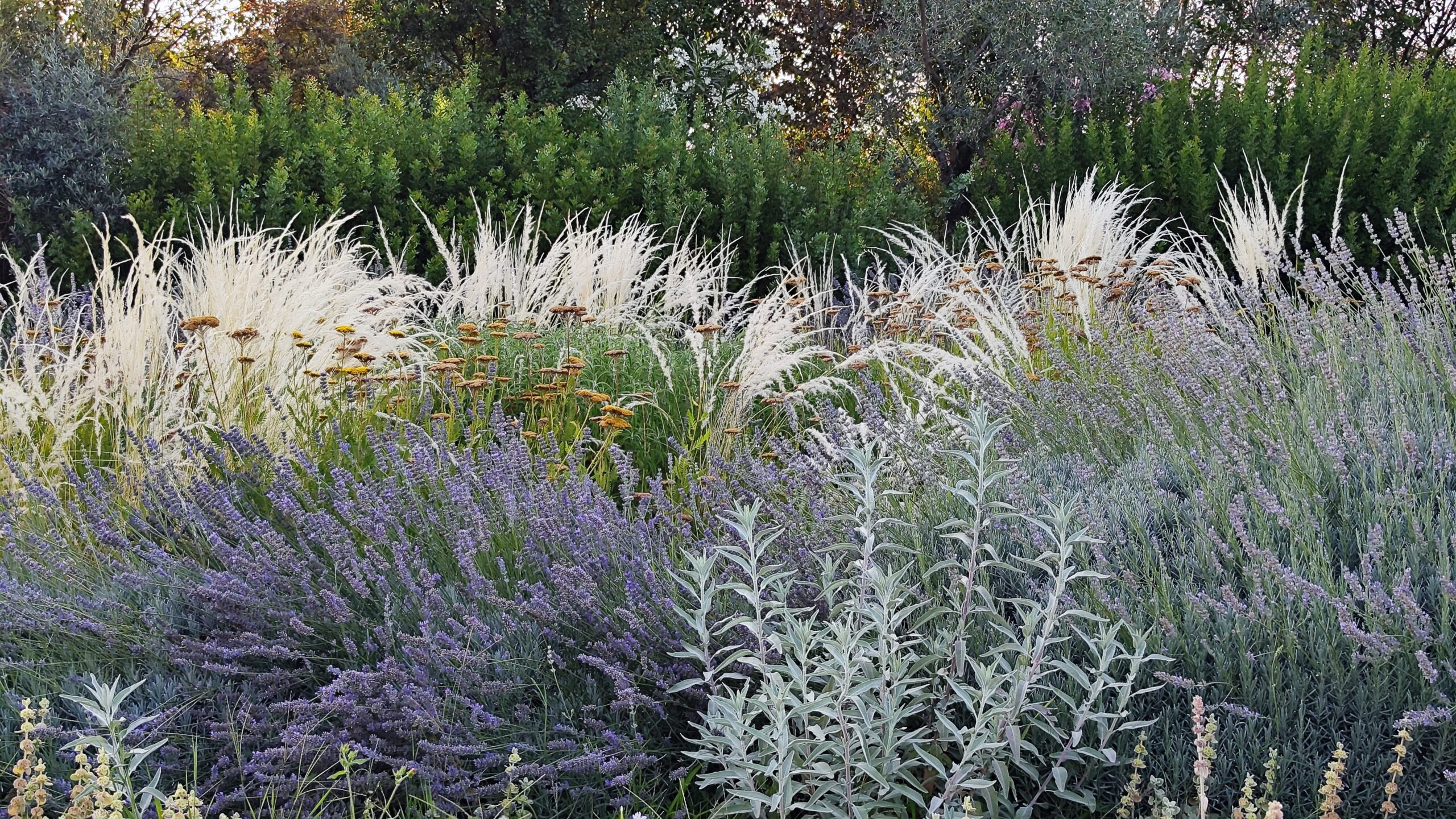
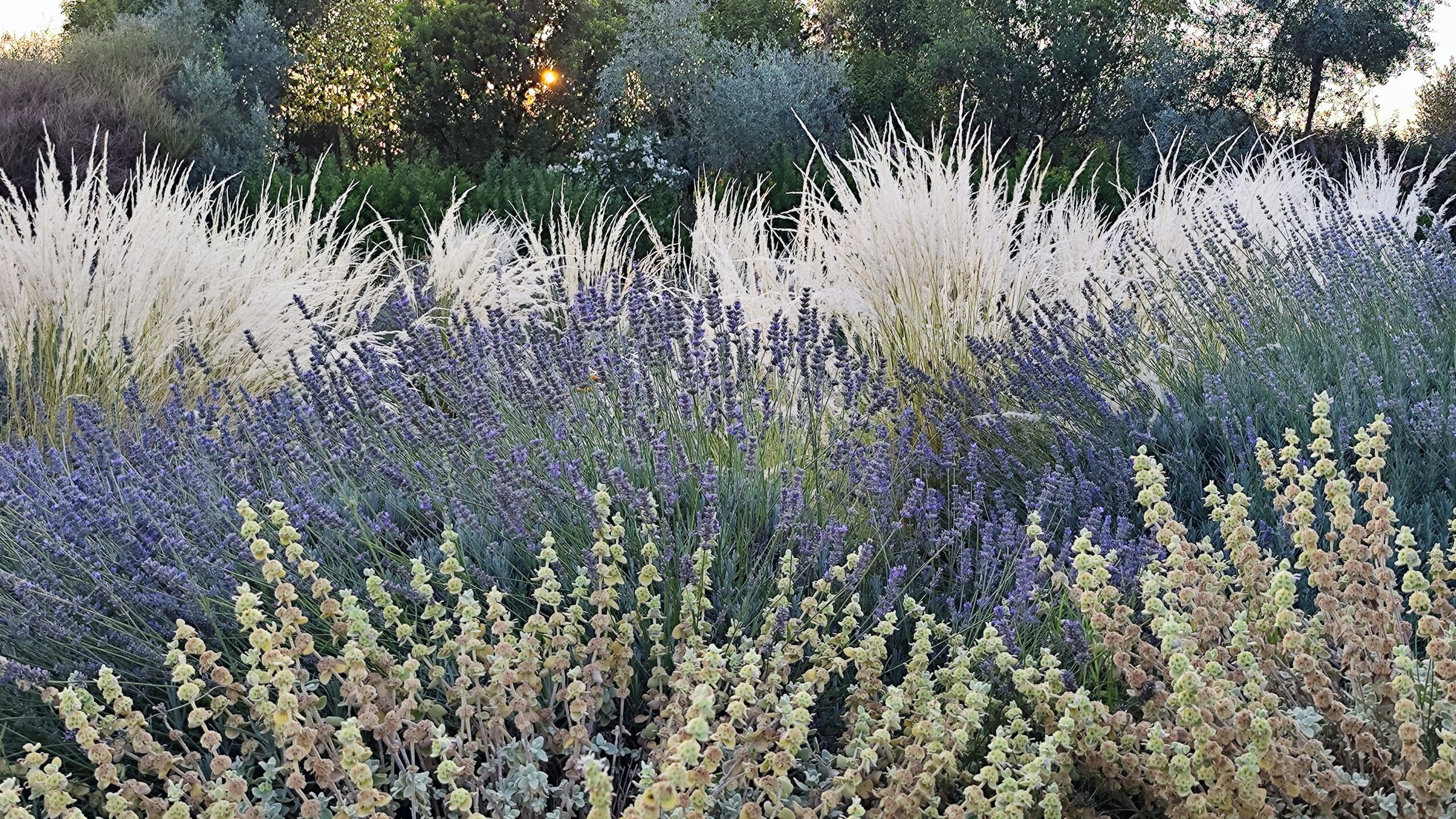
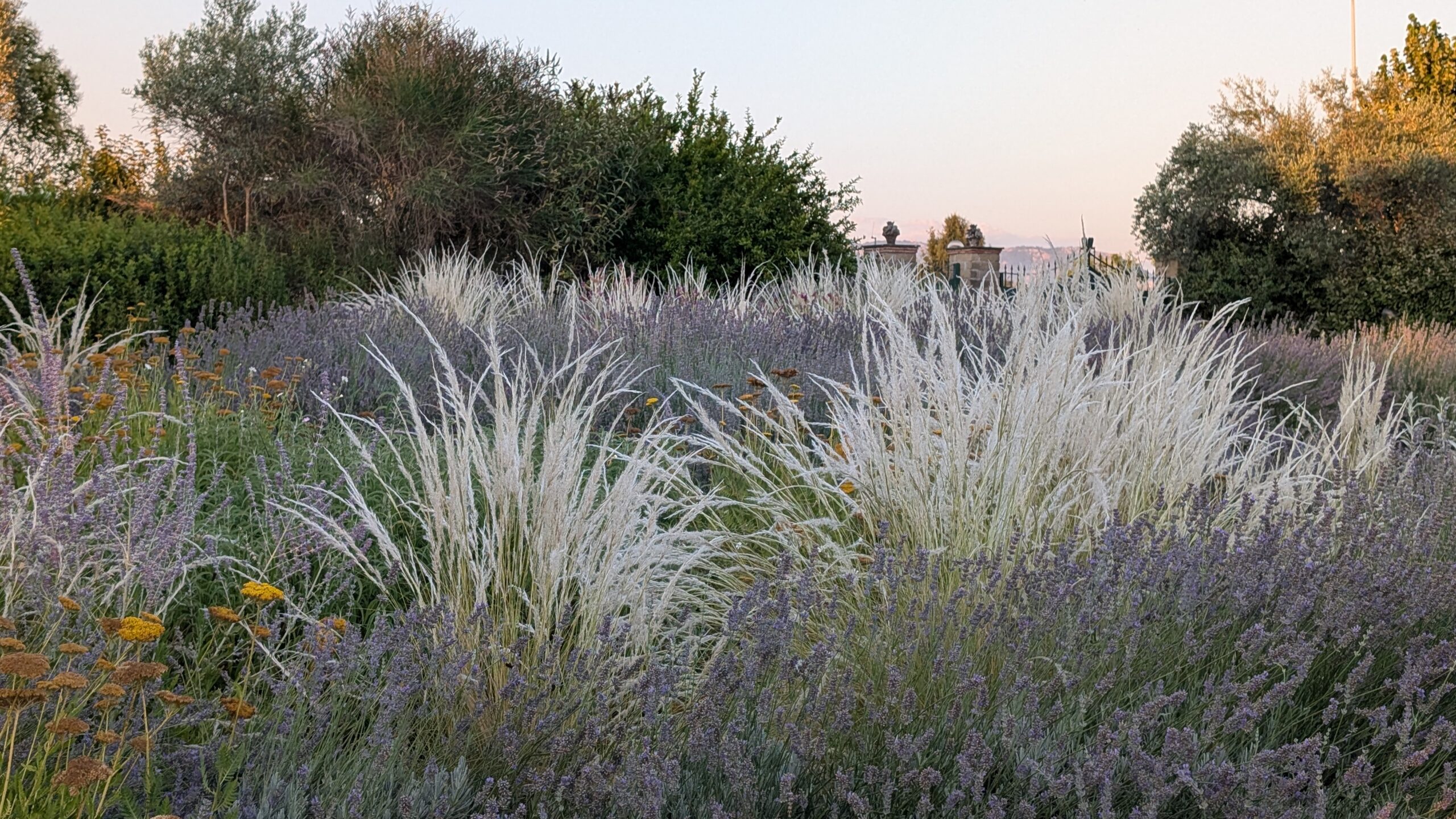
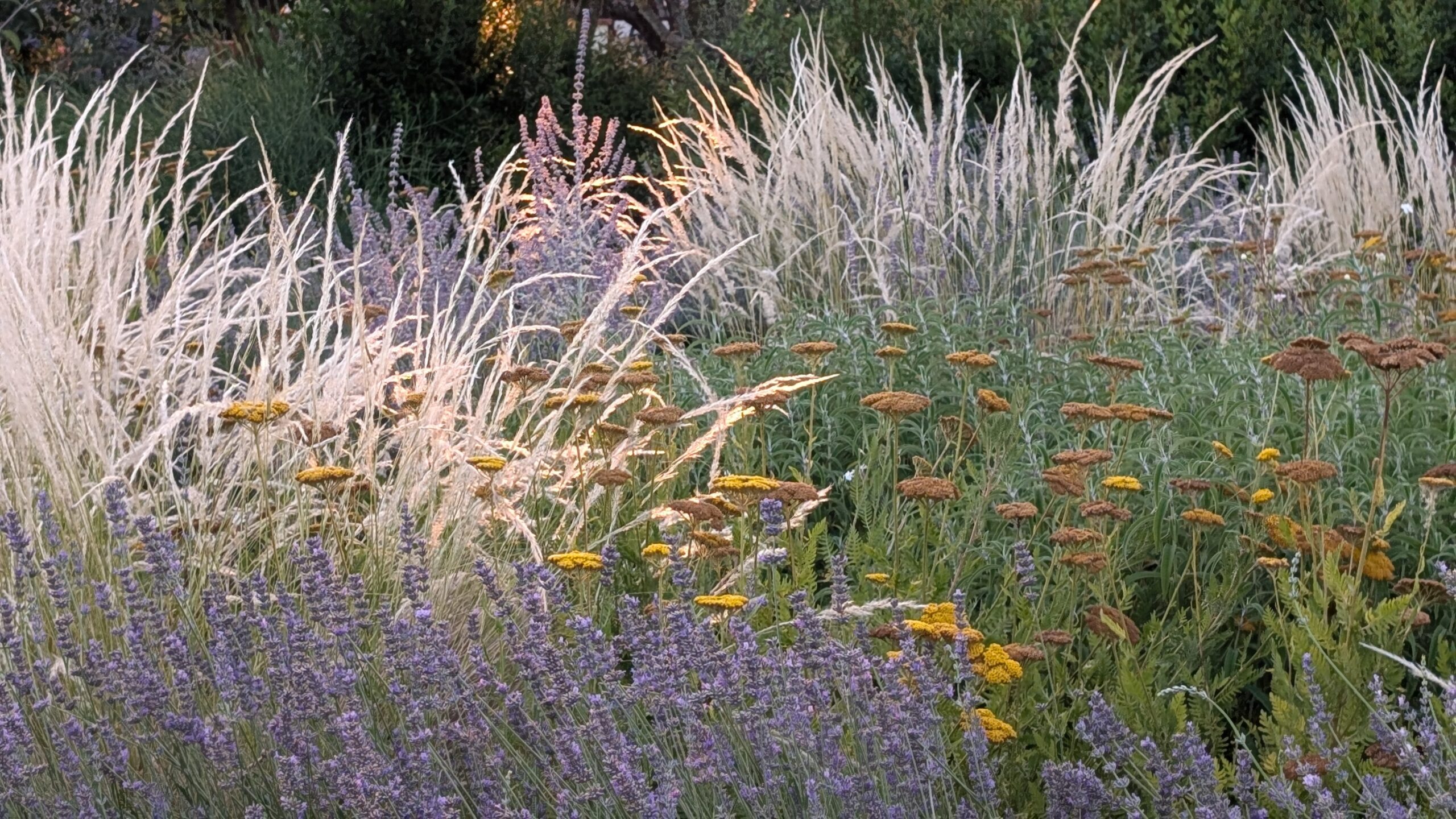
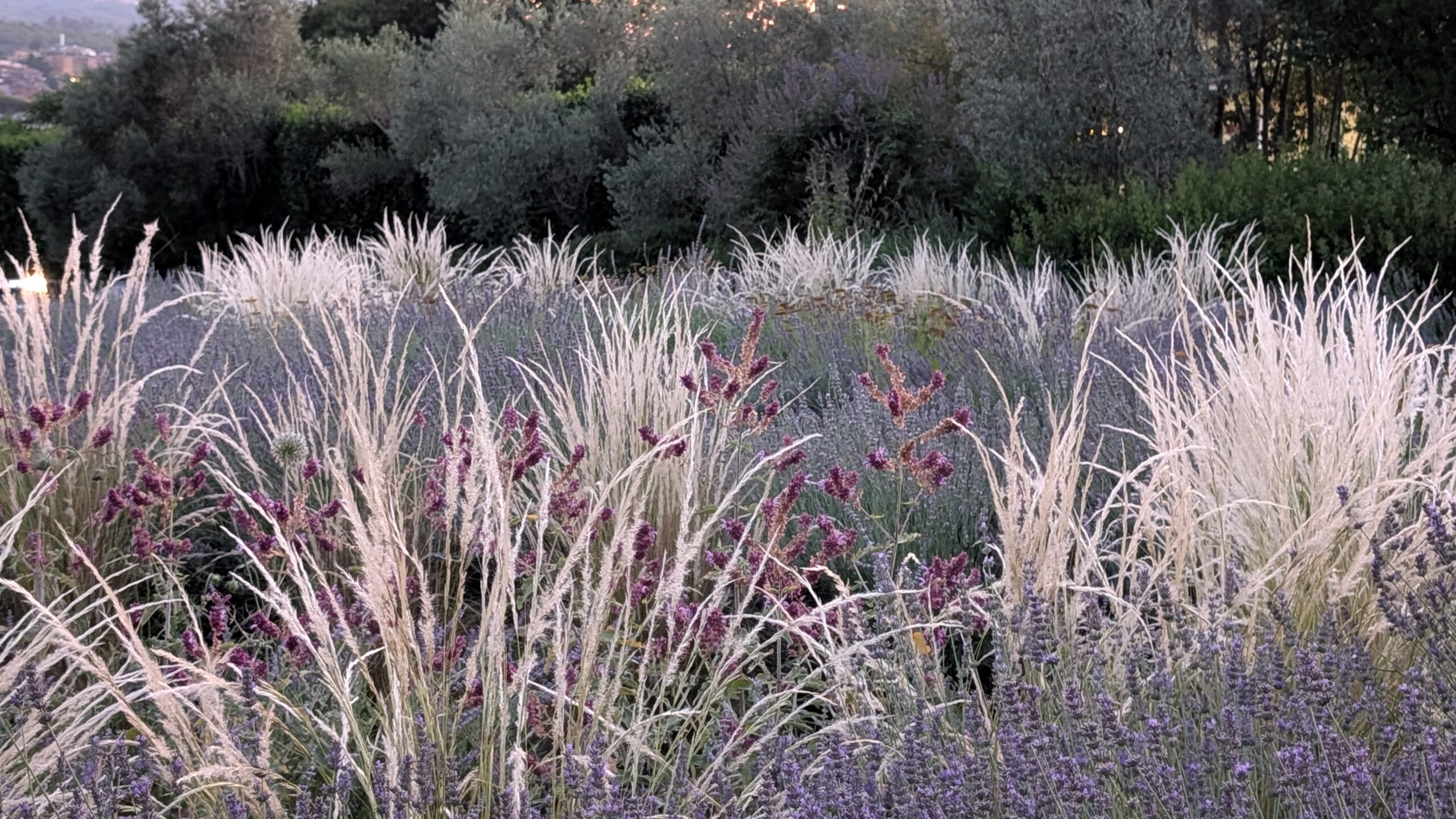
The central areas are an interweaving of vibrant textures. Stipa tenuifolia and Festuca glauca dance in the wind alongside notes of Lavandula and Perovskia. Convolvulus and Erigeron veil the earth with delicacy.
This continuous visual narrative confirms the depth of the path taken. It is an invitation to slow down, to observe how nature, listened to with respect, knows how to compose enduring beauty and scenarios of unexpected poetry.
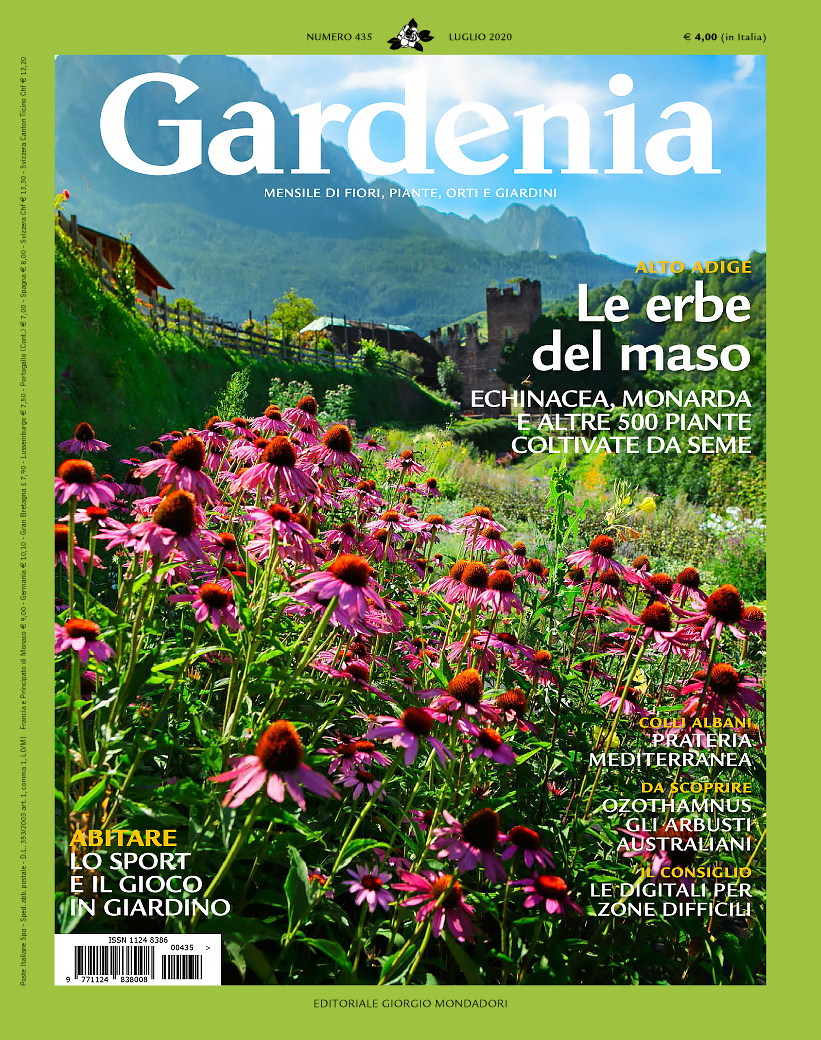
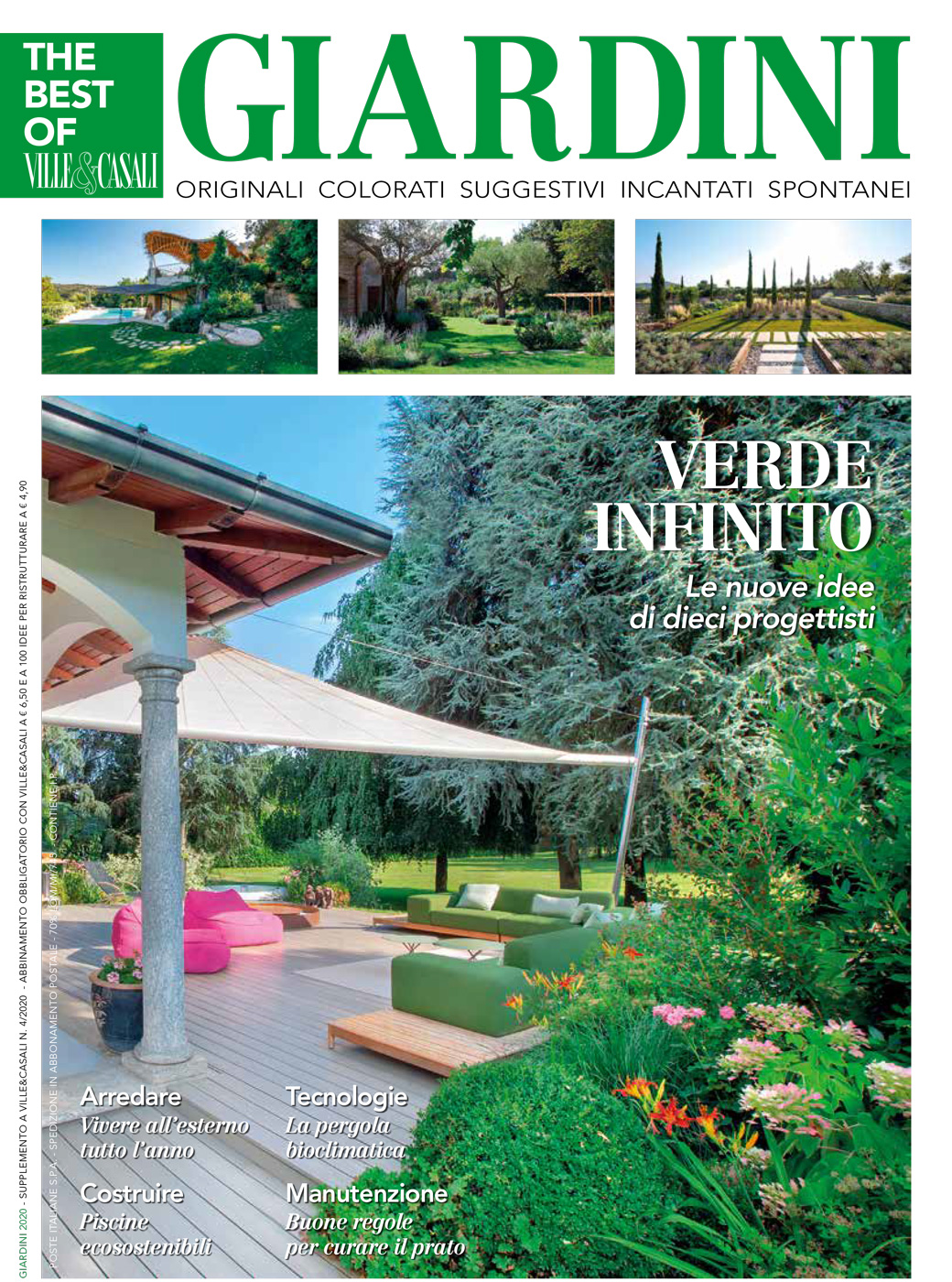
The work was published in:
– Gardenia, July 2020.
– Ville & Casali, Special “Gardens”, April 2020.