Mediterranean Park, Rome
Rome: a 3-hectare journey through the evolution of the Mediterranean landscape.
We are in Rome, immersed in a historic context declared a UNESCO World Heritage site, where strict landscape restrictions embrace the entire area.
Here, we embraced the challenge of shaping a three-hectare park, combining regulatory rigor with a deep ecological vision. Inspired by the fluidity of the Möbius strip, we designed a path system that acts as a backbone, connecting the residence to every corner of the garden.
It is not merely a park, but a complex organism where human presence gradually fades into wild nature.
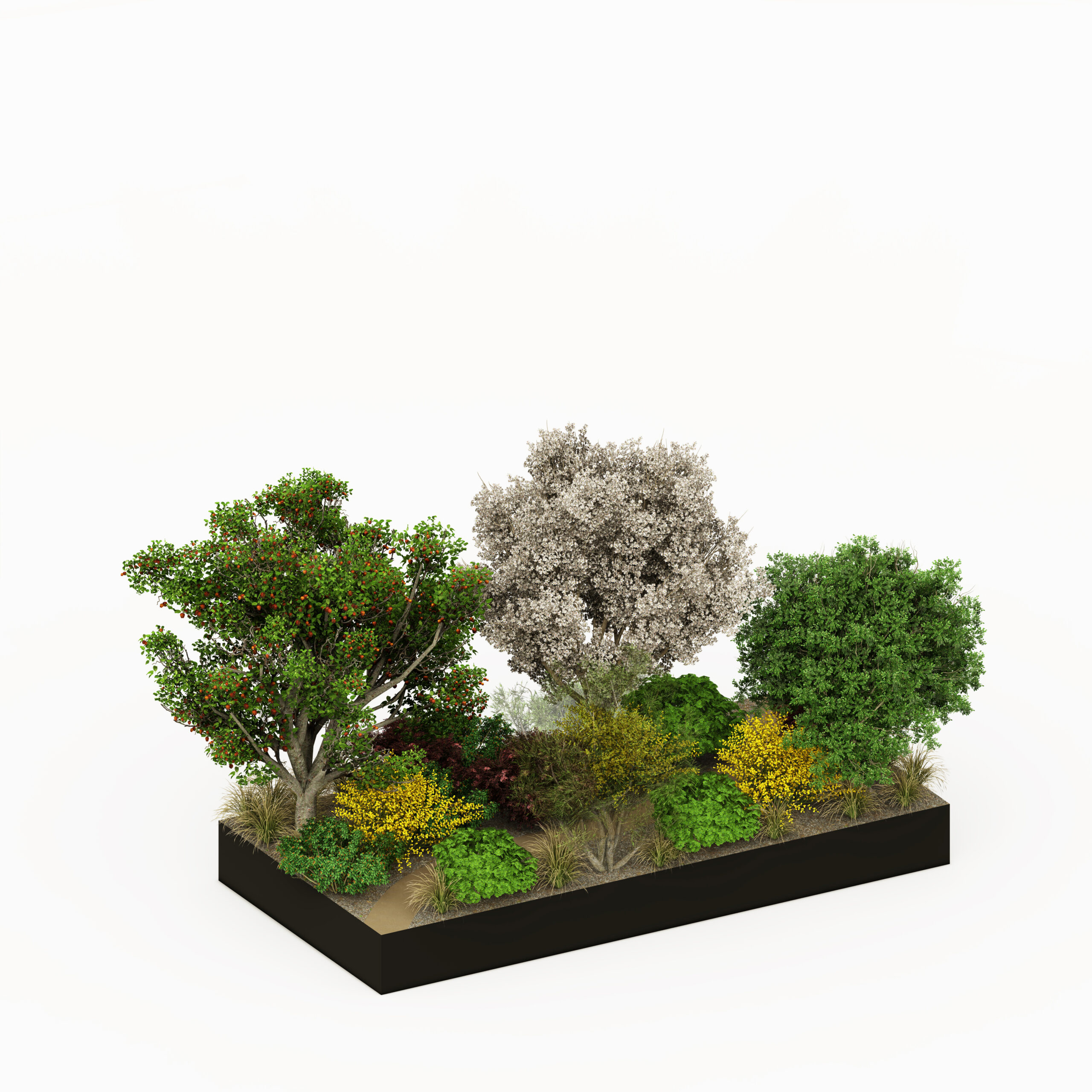
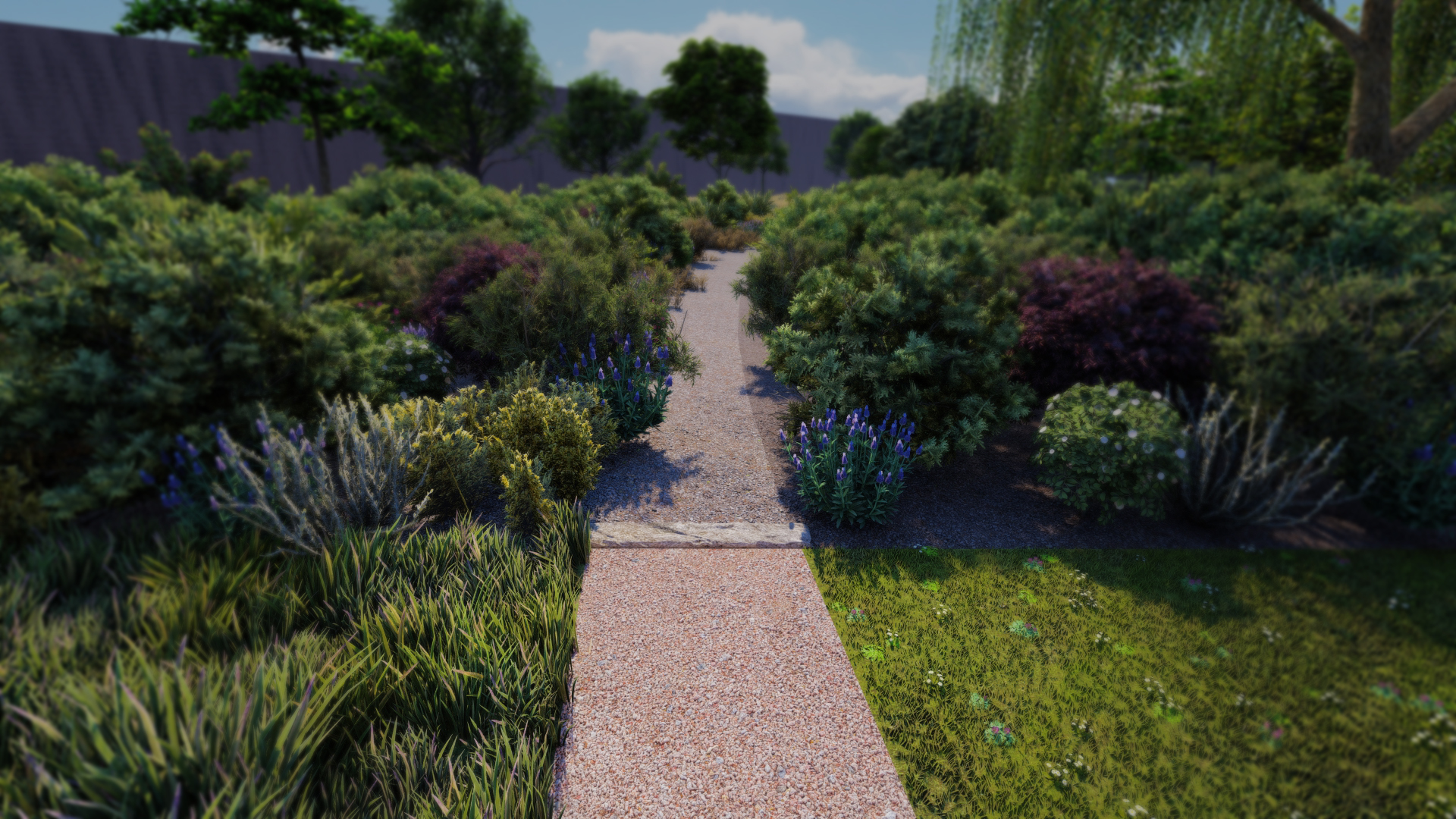
The heart of the project is a miniature representation of Mediterranean plant successions.
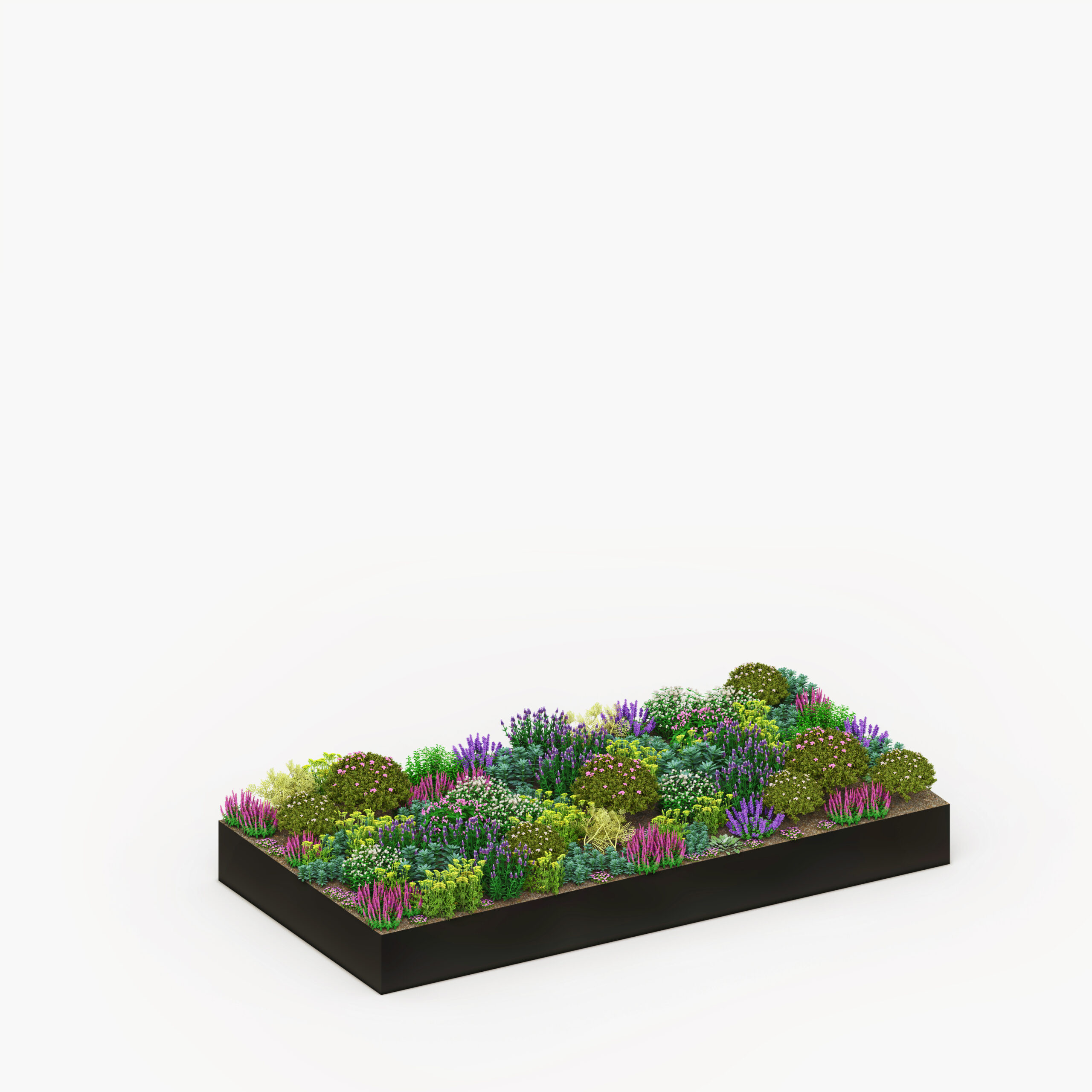
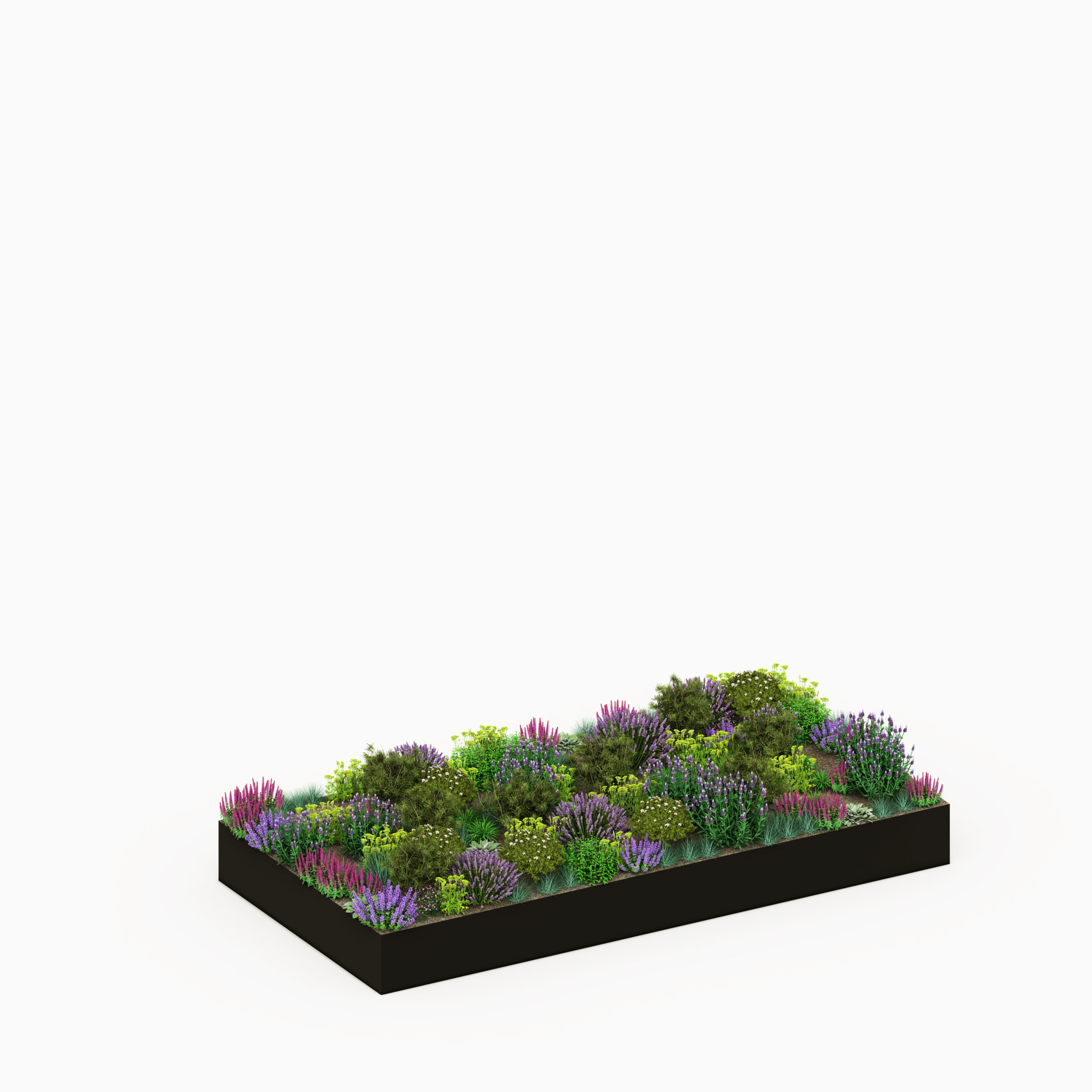
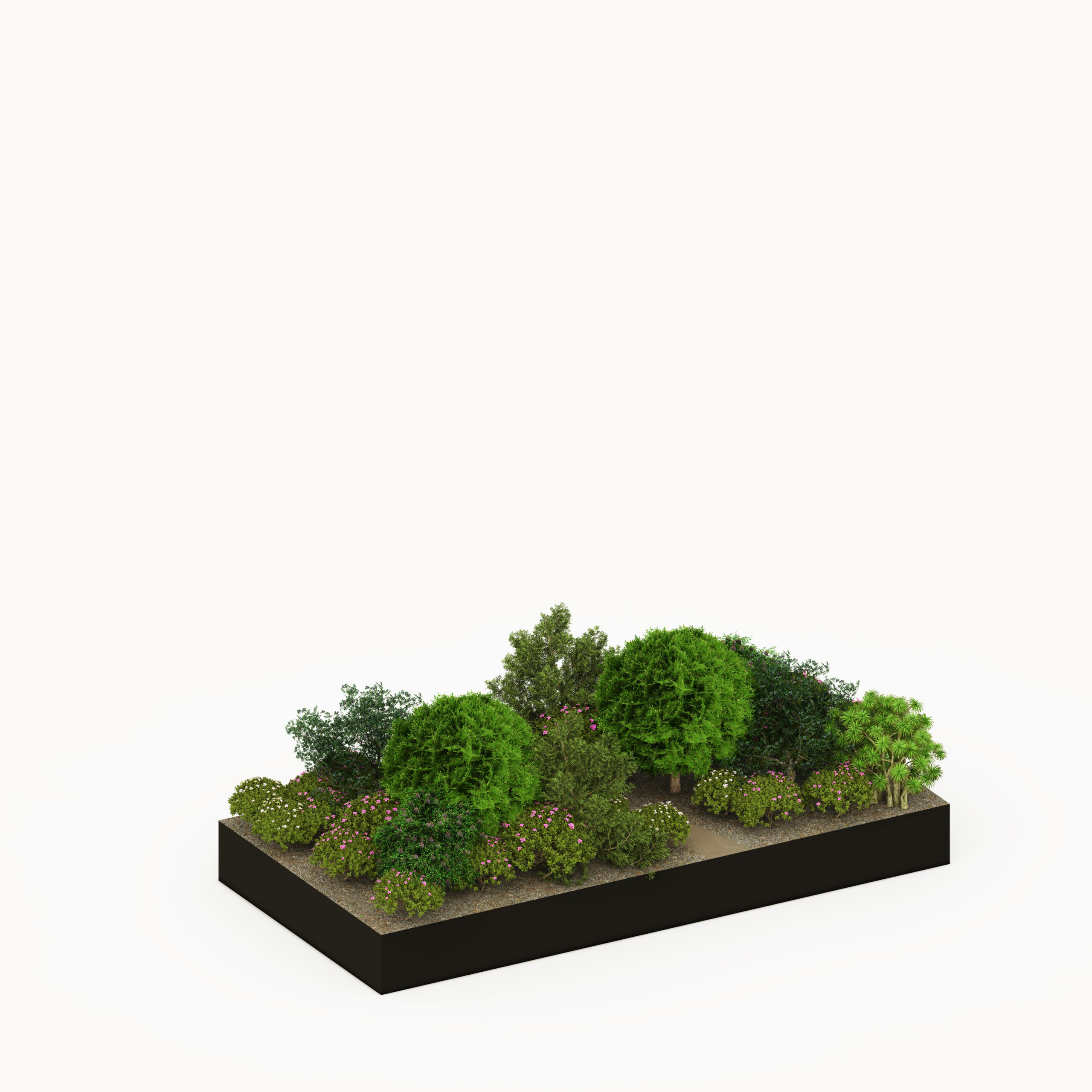
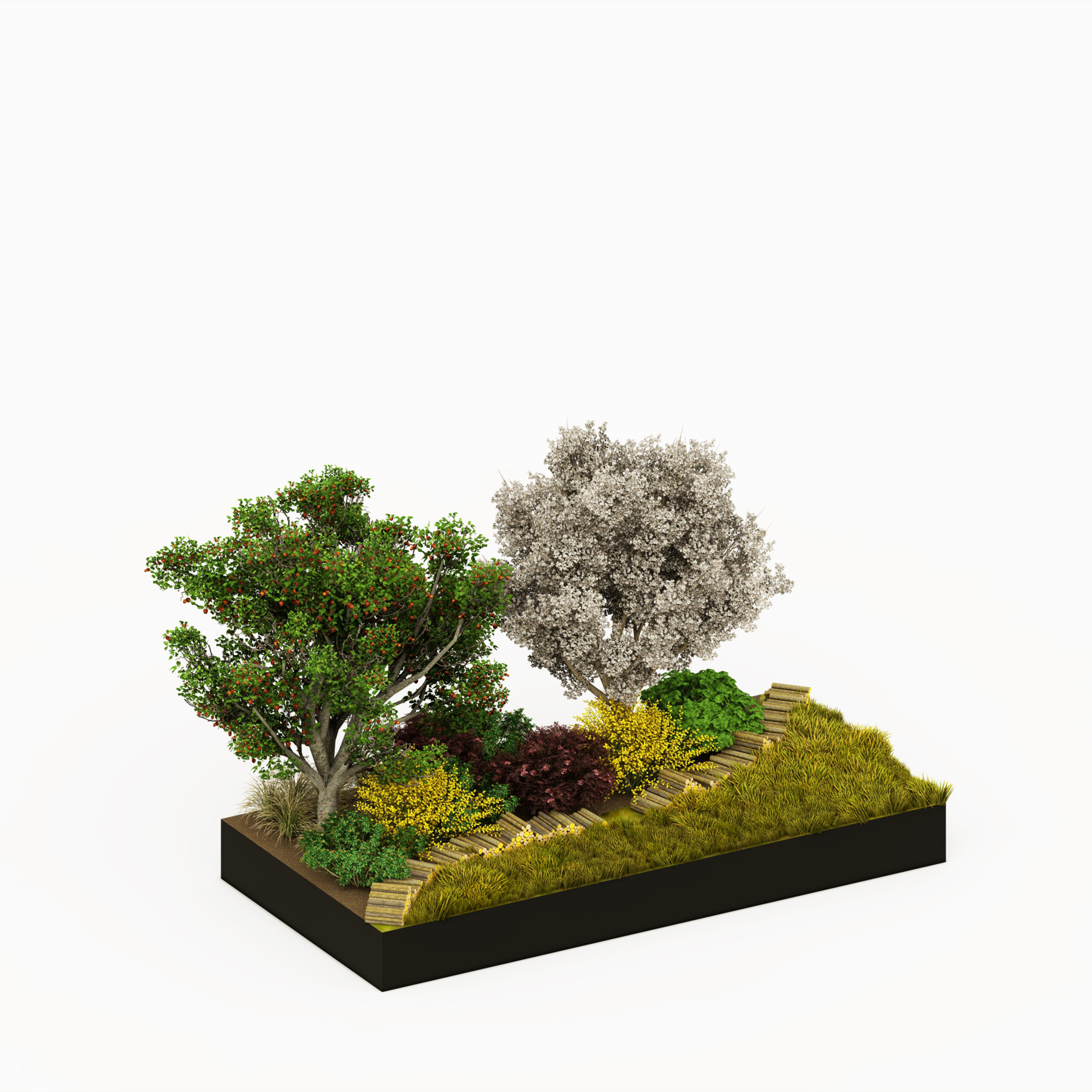
Near the house, the quintessential anthropic environment, we find the garrigue: an ecosystem rich in biodiversity and scents, typical of poor, sun-drenched soils. Moving away, biological forms mutate: small herbaceous plants give way to the shrubs of the maquis and finally to the large trees of the climax forest.
This gradient of complexity invites exploration, transforming a simple walk into a journey through time and nature’s evolutionary stages.
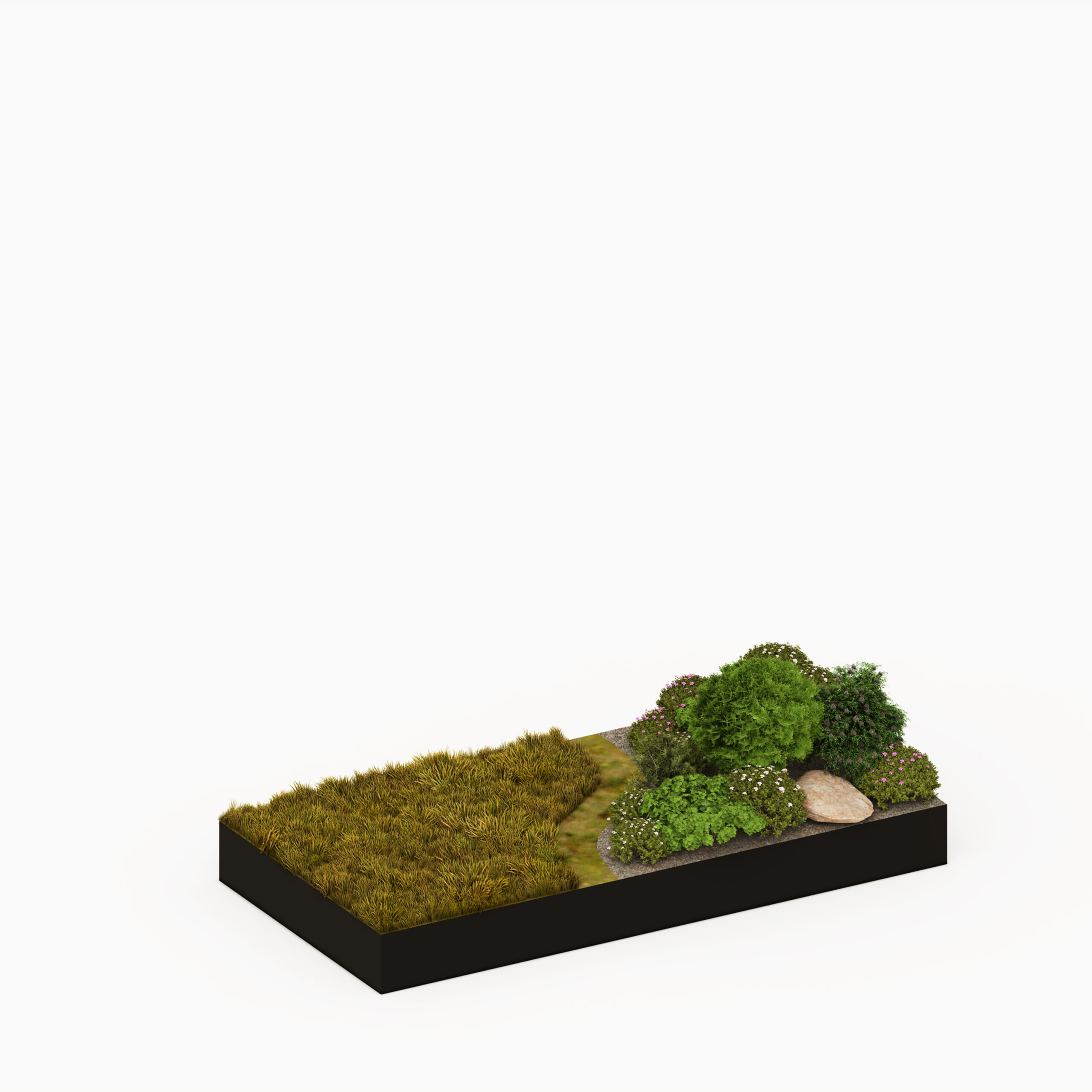
Water management was the guiding principle. We moved beyond the classic English lawn—fragile and water-intensive—replacing it with “alternative meadows” of Phyla nodiflora and Achillea crithmifolia, which are walkable and rich in biodiversity.
This choice not only reduces consumption but respects the needs of the existing Pinus pinea.
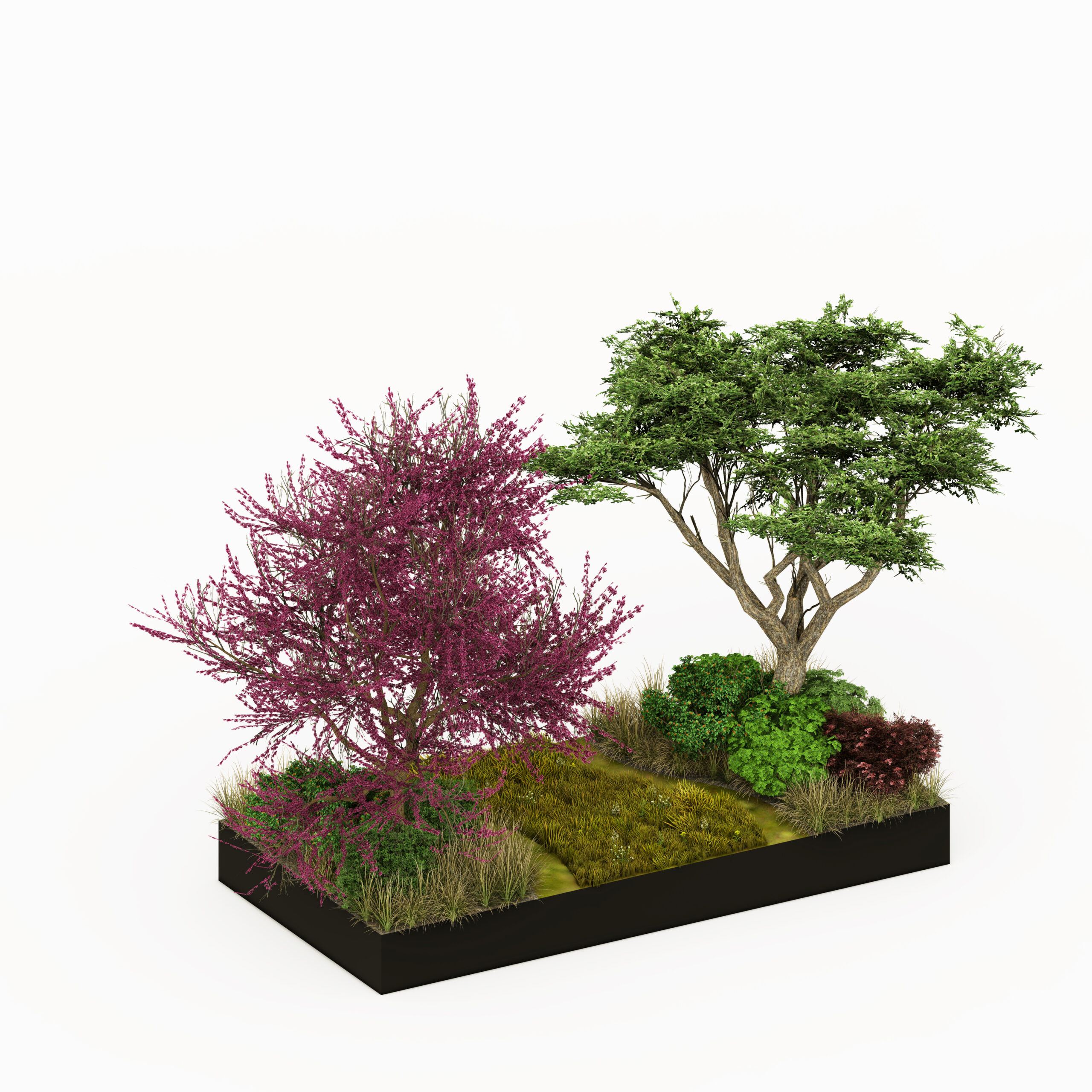
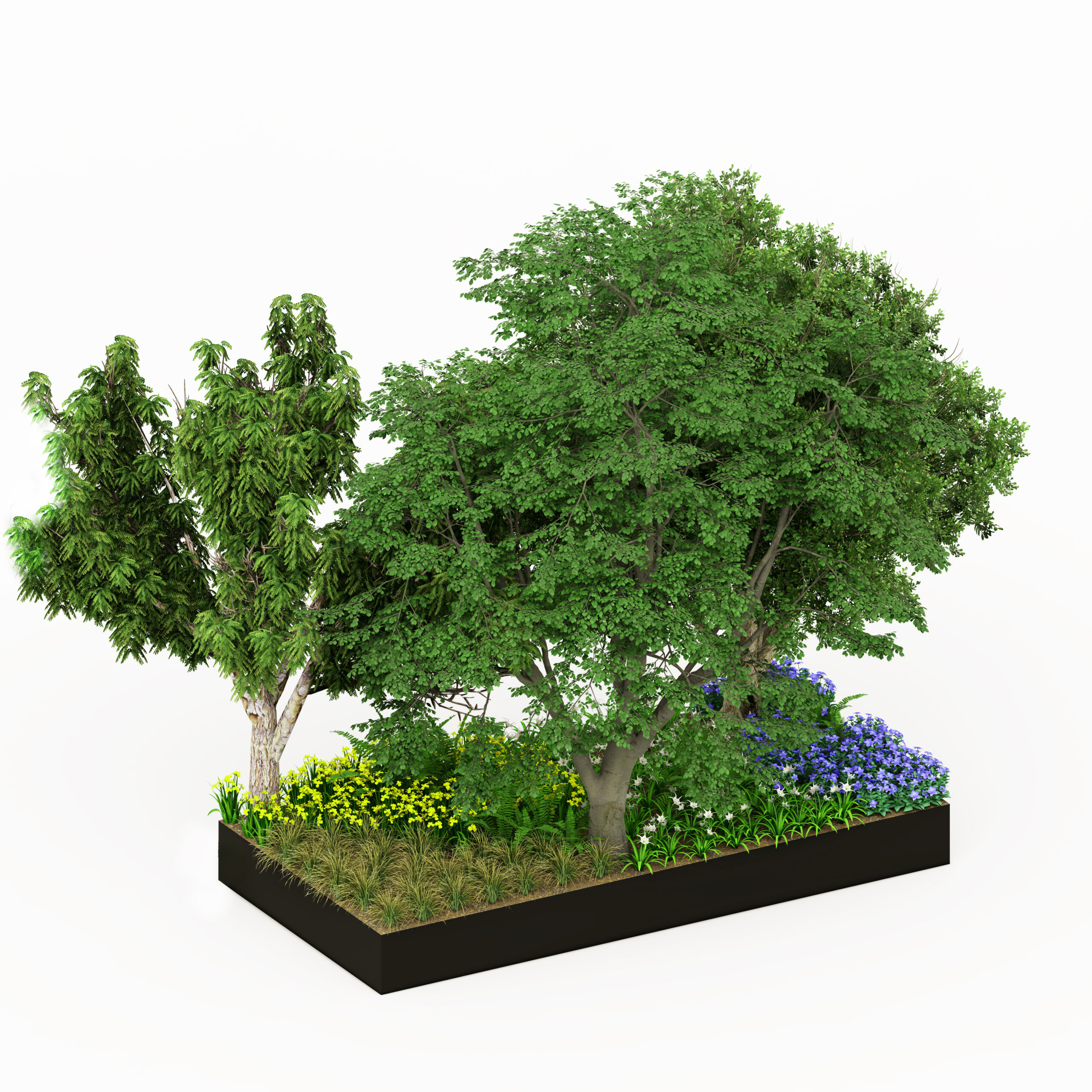
In the center, the presence of majestic Celtis and Cercis inspired the creation of a natural prairie: here, spontaneous blooms alternate at the foot of the trees, creating a dialogue between the verticality of the canopies and the light movement of the grasses.
Every square meter was realized according to the Mediterranean Mixed Planting method.
These are not simple flowerbeds, but plant communities scientifically calibrated to occupy every ecological niche.
Structural plants, companions, and groundcovers coexist in a dynamic equilibrium that requires “care” rather than simple maintenance.
It is a garden that never remains the same, but evolves year after year under the landscape architect’s discreet guidance, becoming increasingly resilient, autonomous, and fascinating.
Some elements in the images have been omitted for pure discretion and respect for privacy.