
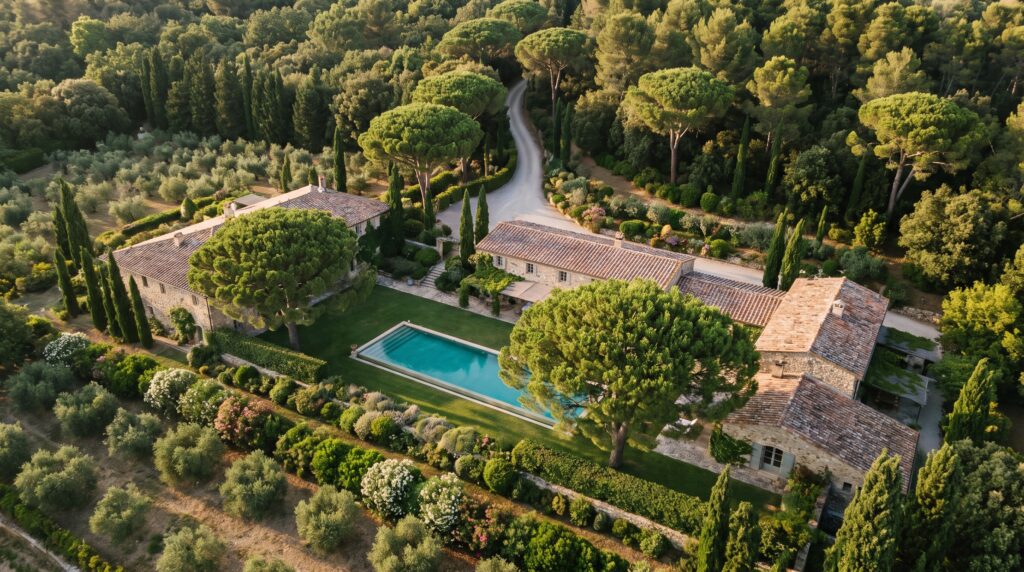
Why a garden brings happiness and multiplies wealth
The meaning of the garden: the epiphany of time and the engineering of value
The desire to inhabit a space shaped by living matter is consolidated through a journey of awareness. This urgency arises when one understands the real impact of the landscape on everyday life and on the community as a whole. The following reflections explore the motives capable of unlocking this vision, showing how the design of outdoor spaces acts on two pillars of human existence: happiness and the multiplication of wealth. A garden generates capital and leads to lasting fulfilment, and the two, as we shall see, stem from the very same root: the acceptance of time as living substance, not as an adversary to be controlled.
There is a quiet mystery in the way human beings relate to outdoor space. Today, garden design is undergoing a mutation, moving away from the idea of the landscape as an ornamental space or a static extension of architecture. Habit has long driven people to view designed space as an inert canvas upon which to impose control, disregarding the complexity of living matter. Today, theoretical analysis invites us to welcome the garden as a living system, a crossroads where design converges with philosophical reflection on happiness.
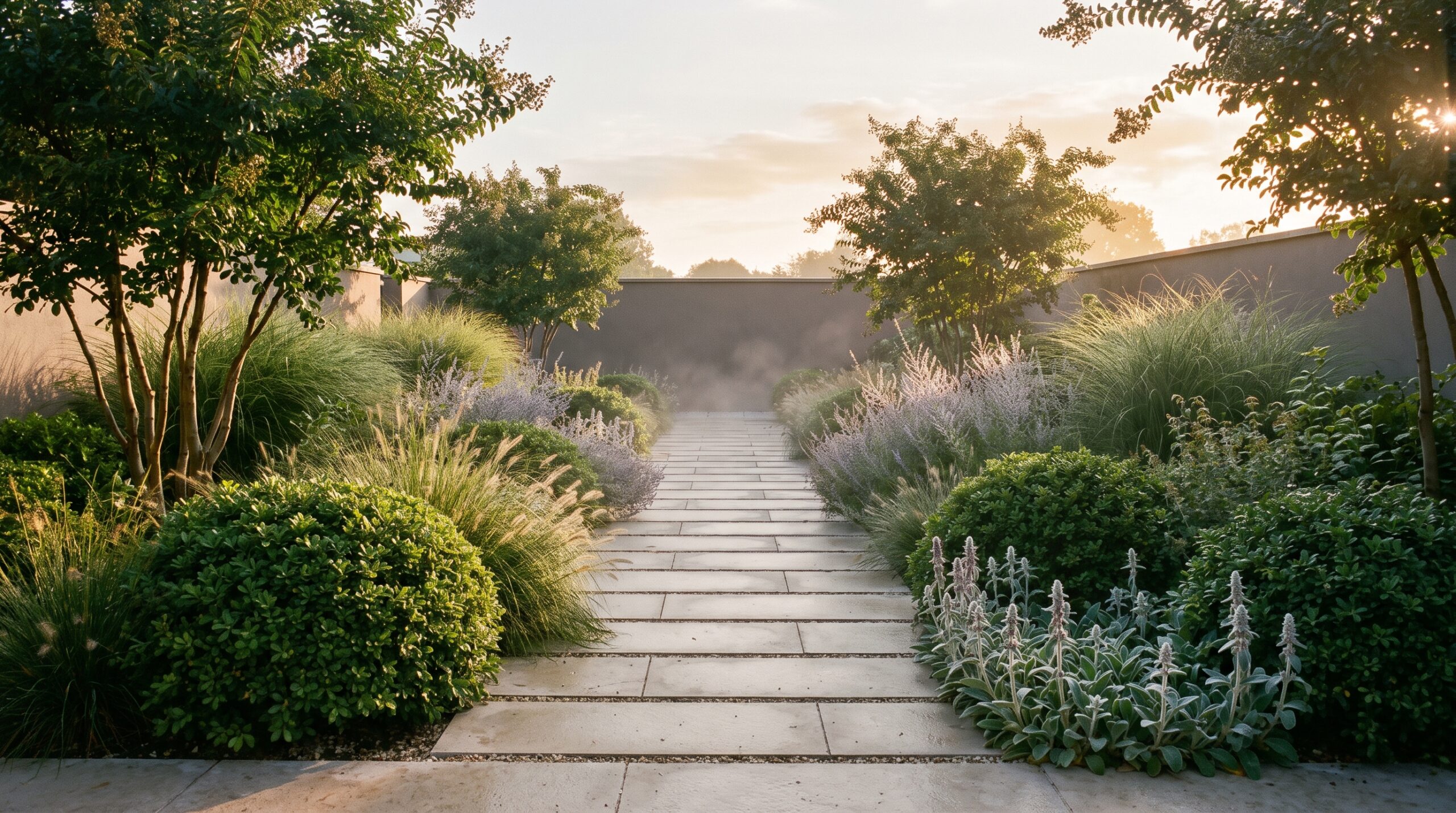
The reasons that drive one to desire, tend, and invest in an outdoor space touch the fundamental chords of human existence, subsequently reverberating across the balance sheet. Embracing landscape culture means embarking on a journey that begins in the spiritual realm and culminates in the crystallisation of economic value. Designing a garden, in this sense, means accepting the dynamism of the living and embracing the variability of matter that grows, transforms, and never yields to absolute possession: it is within this acceptance that its most authentic beauty resides.
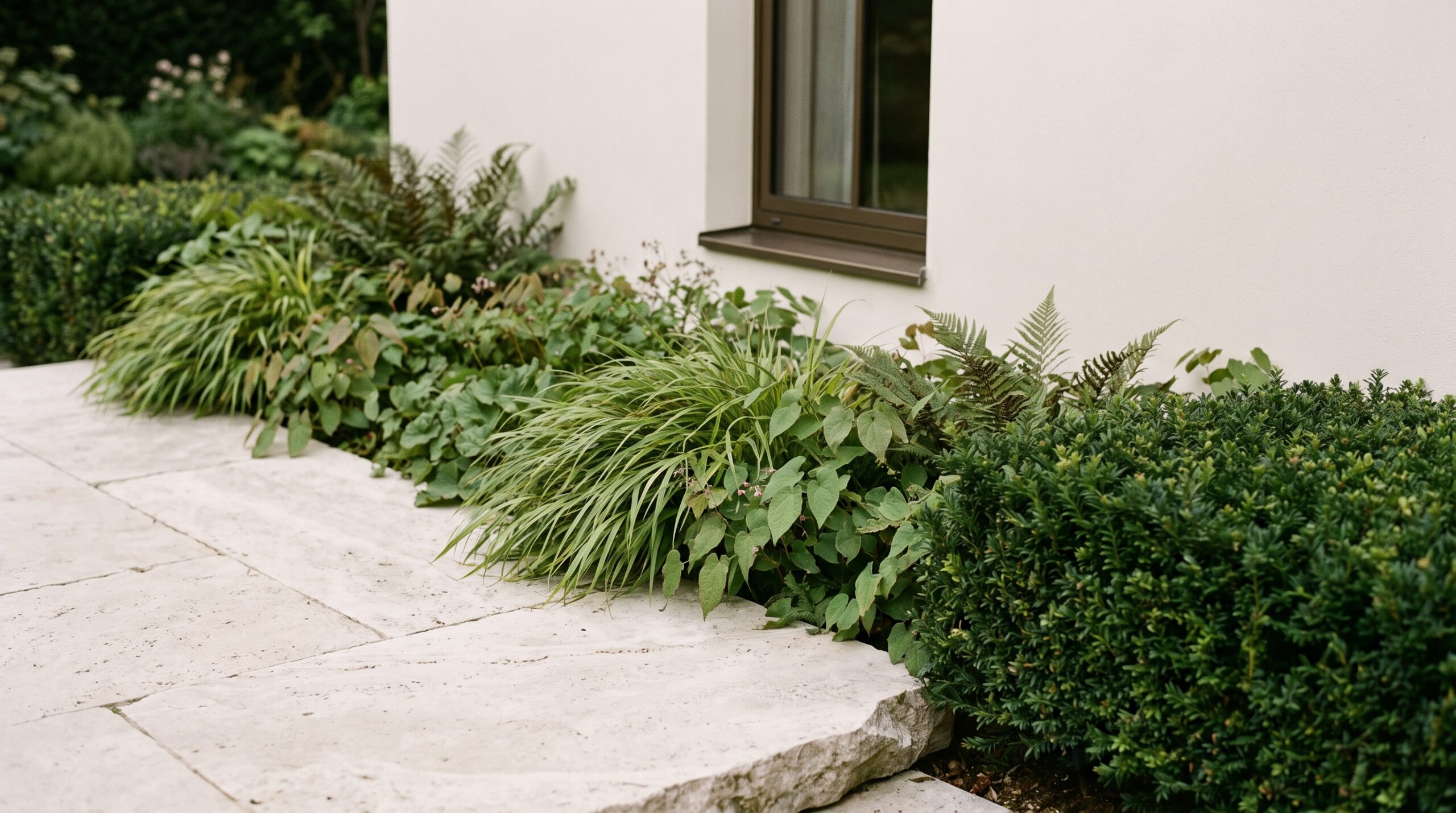
The philosophical horizon and the epiphany of the living
Modern philosophy has long neglected the meaning of the garden, relegending it to a minor subcategory of the visual arts or an appendix to the natural environment. It is through the rigorous inquiry of David E. Cooper, philosopher of landscape at Durham University, that the appreciation of the garden is recognised as a distinct human phenomenon, separate both from the appreciation of art and that of pristine nature. The garden occupies a median position, and for this reason demands a new philosophical vocabulary.

Cooper’s analysis deconstructs the idea of the garden as a mere hybrid of art and nature: he defines it as an autonomous ontological category, possessing its own phenomenology. The strength of this philosophy lies in activity, in praxis. The meaning of the garden transcends the finished product, expressing itself within the very practice of cultivation—an occupation that contributes decisively to what philosophical ethics defines as the good life. Here lies the point that truly distinguishes a garden from any other possession: a painting, once hung, is merely contemplated, whereas a garden demands an ongoing relationship founded on attention and reciprocal response. It is this active participation, rather than possession itself, that produces enduring well-being, arising as it does from the constant exercise of competence rather than the passive enjoyment of an immobile object. Cooper demonstrates how this practice moves beyond instrumental value to cultivate specific virtues, offering the opportunity to exercise them daily and unlock the happiness that flows from them.
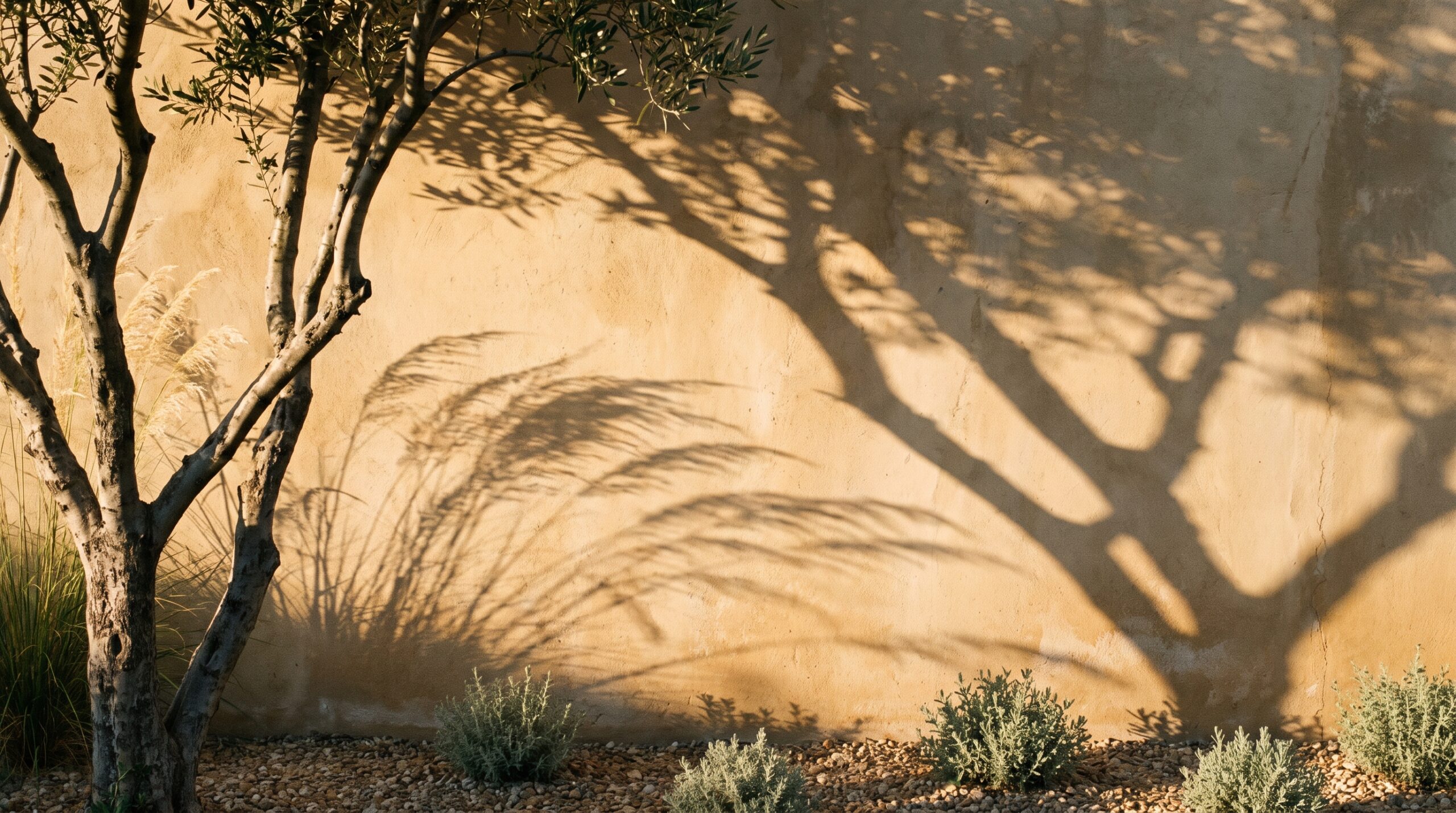
Praxis and the virtues of cultivation
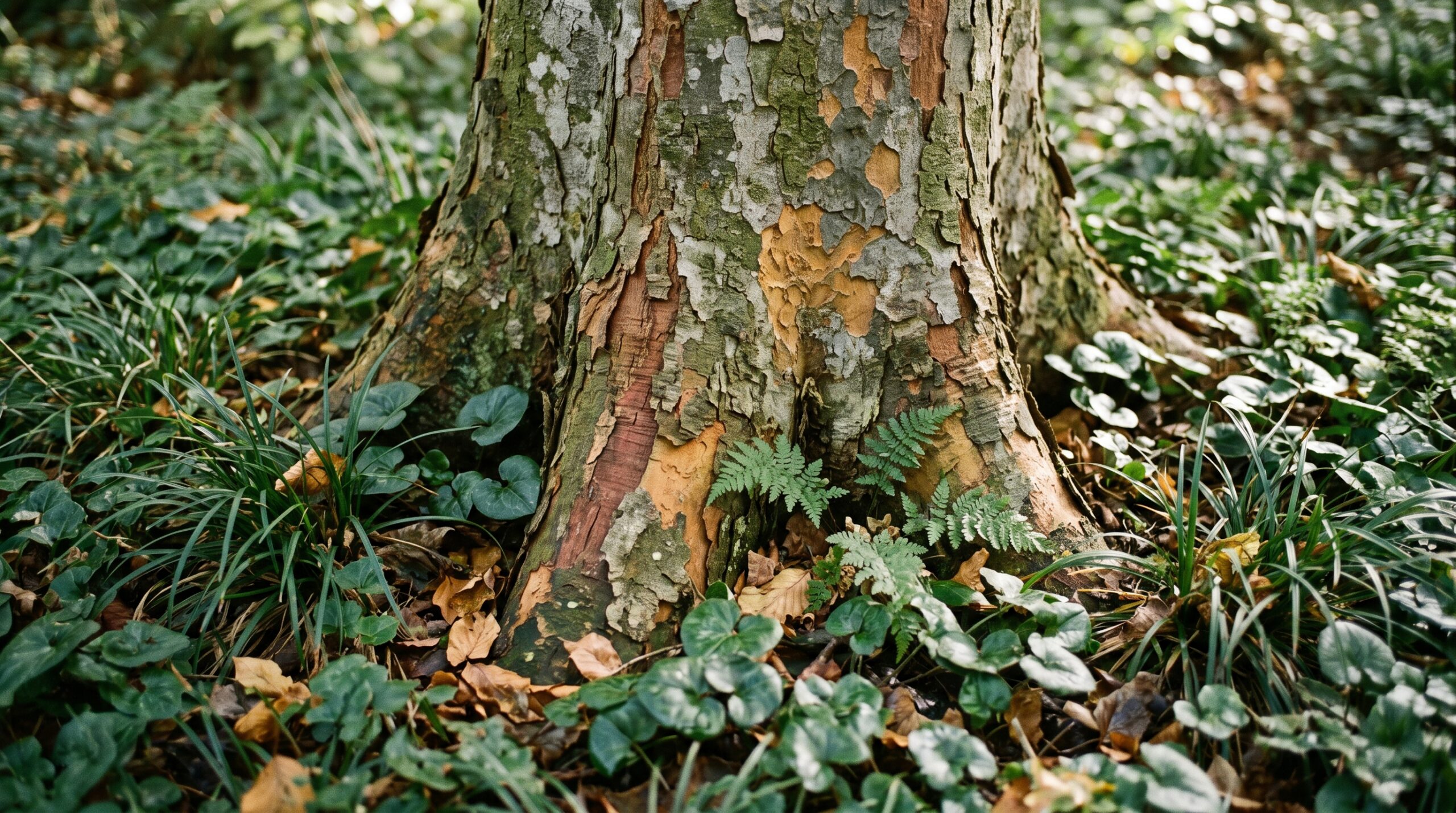
These virtues manifest through constant interaction with plant species. Cultivation demands an understanding of the specific needs of each species so that it may thrive, and this necessity instils in both designer and dweller a virtue closely allied with reverence for life: care. Care is an attentive regard for the living that dissolves any ambition of dominion over matter. The discipline required to sustain a botanical community imposes a rhythm on existence, imparting form and coherence to a life that might otherwise risk fragmentation.
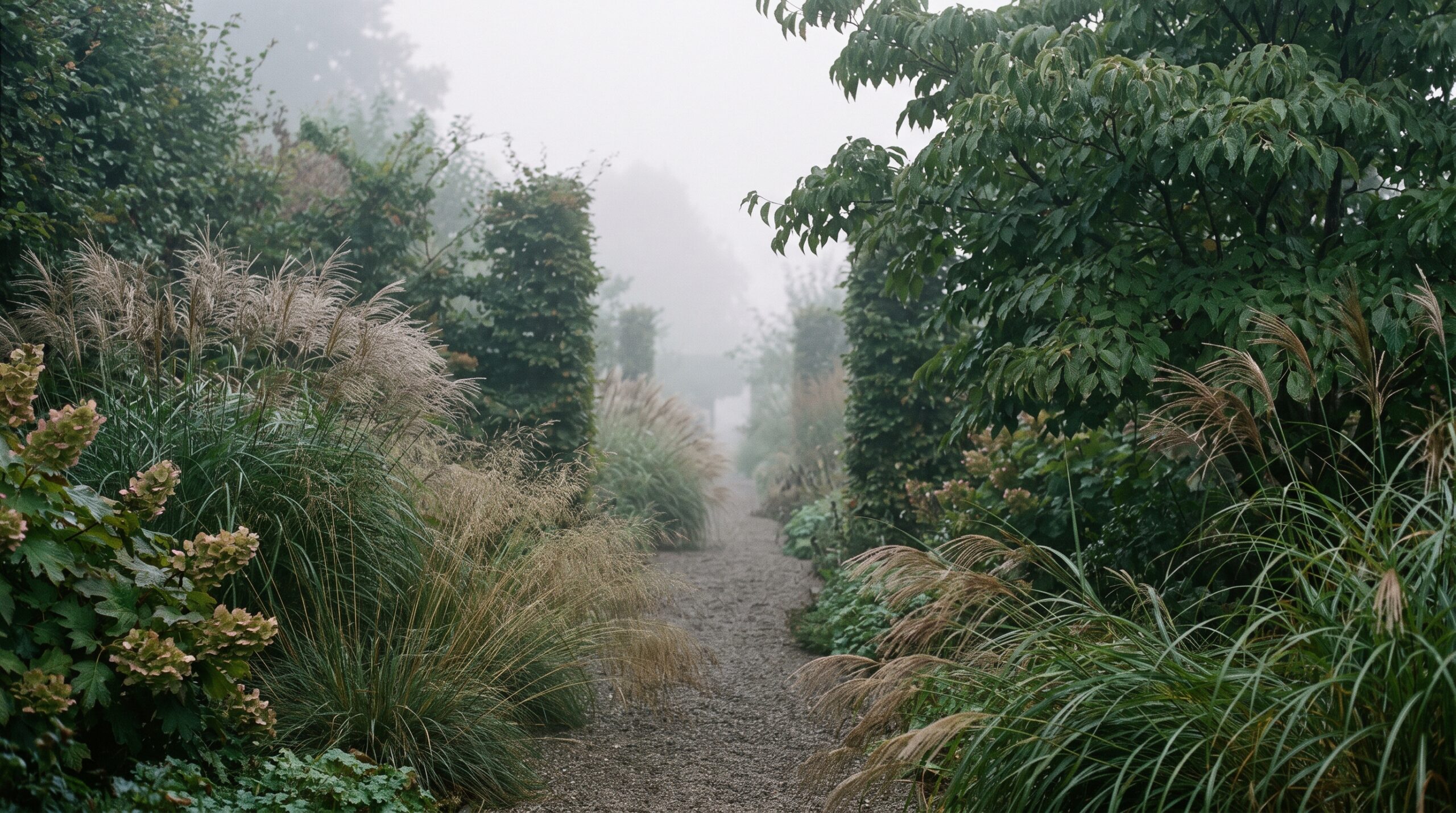
The successful growth of plant species, experienced as a gift, fosters humility, hope, and joy. The core of Cooper’s thought lies in his metaphysical conclusion: the garden represents the epiphany of the relationship between humanity and the mystery of existence. Cooper shows how the garden exemplifies the dependence of human creative activity on the cooperation of the natural world, advancing the thesis further: the co-dependence between human effort and cultivated species points symbolically to a co-dependence between human existence and the deep ground of the world. Cultivating, in this sense, means participating in a praxis that unveils the truth of the relationship between human beings, their world, and the wellspring of life itself.
The artialisation of landscape and spatial happiness
This conceptual tension broadens within the ethical framework of Massimo Venturi Ferriolo, who delineates the landscape as a reality inextricably bound to human labour, capable of becoming a project for the world itself. Inhabiting a place means establishing patterns of life designed to safeguard its local measures and proportions. Within this paradigm, the verb to cultivate reclaims its etymological roots, intertwining with the act of dwelling and the vita activa described by Hannah Arendt. Cultivating a garden is the aspiration to live and act collectively in a shared space, laying the foundations of common happiness.
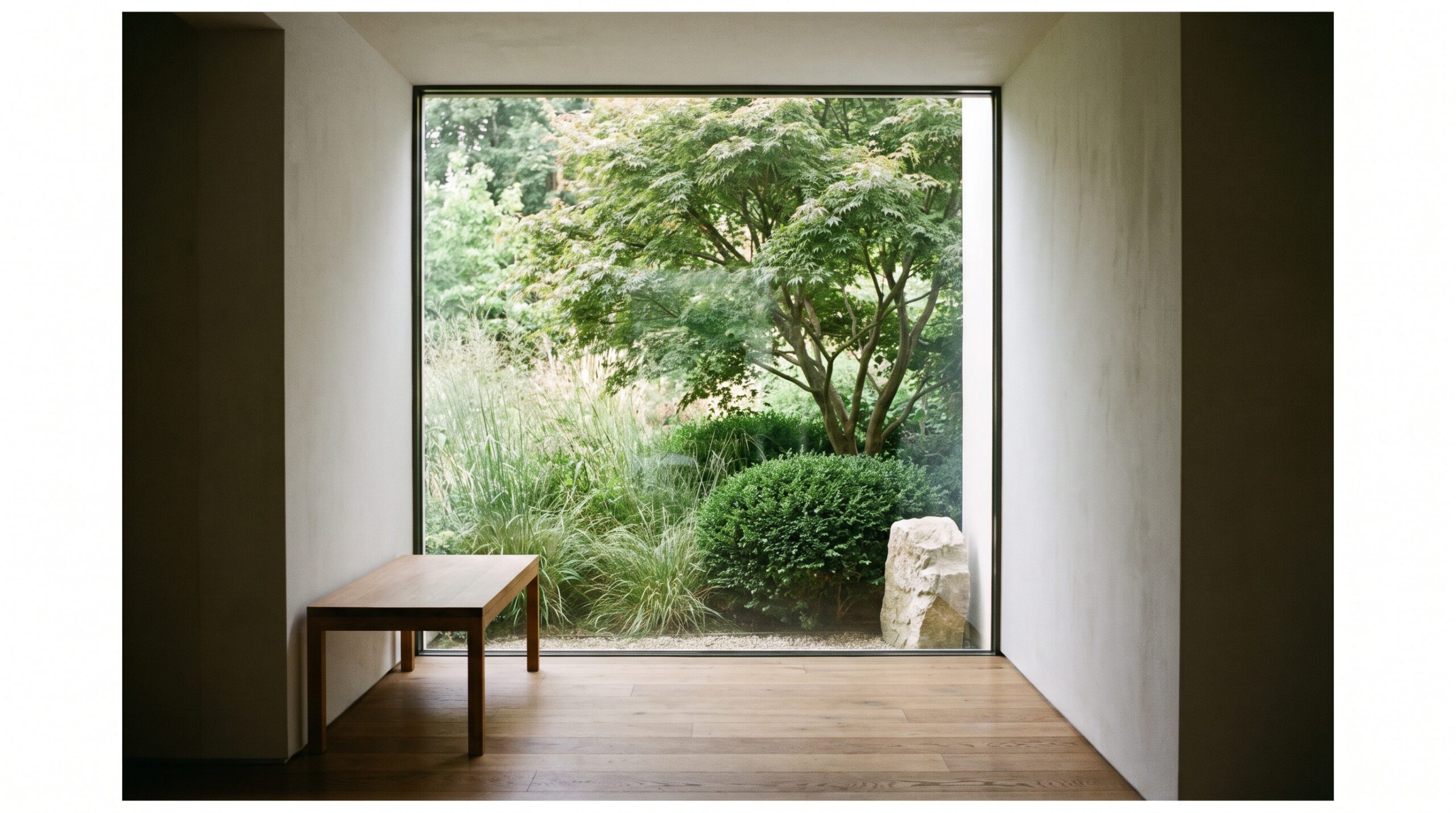
This process merges with the aesthetic dynamics theorised by Alain Roger, who dismantles the myth of an objective nature: territory becomes landscape solely through human aesthetic and cultural filters—a gaze enacted through contemplation or direct intervention. The contemporary garden represents the zenith of this artialisation in situ. Completing this perspective, Gilles Clément introduces the concept of the garden in movement: landscape design is grounded in observing the vital energy of species and their natural impulse to conquer space. The designer cooperates with this momentum, accommodating it, and in doing so learns to embrace change within their own life as well.

It is here that philosophical thought silently meets hard-nosed pragmatism: the very willingness to embrace time, change, and imperfection that renders a garden a sanctuary of happiness is, for a precise reason, the exact quality that multiplies its value on the open market. The time a garden requires to mature cannot be purchased or artificially accelerated: it can only be awaited, or inherited. This inherent scarcity is the reason why the most coveted settings are precisely those where the maturity of a landscape is instantly legible.
The engineering of value and the multiplication of wealth
While philosophical inquiry charts the pathways to happiness, financial analysis operates within the pragmatism of modern economics, yet it begins from the identical premise: that which takes years to form cannot be replicated on demand, and that which defies replication commands, by definition, a premium price. Investing in the creation and curation of a garden is one of the most potent capital appreciation levers available on the market, precisely because financial capital can purchase almost anything, save for time already elapsed. This perspective leaves behind the notion of landscape as mere exterior decoration: capital invested in the landscape yields a measurable return on real estate value and permeates the entire commercial enterprise. The landscape ceases to be a cosmetic cost and becomes an infrastructure of return.
The macro figures corroborate the scale of this industry. In the United Kingdom, ornamental horticulture and landscape management generate over £24 billion in GDP annually and support more than half a million jobs; tourism tied specifically to botanical appreciation accounts for nearly £3 billion, drawing a third of all inbound international visitors. These figures reflect a mature sector, firmly anchored in the real economy.
Capitalisation dynamics in the real estate sector
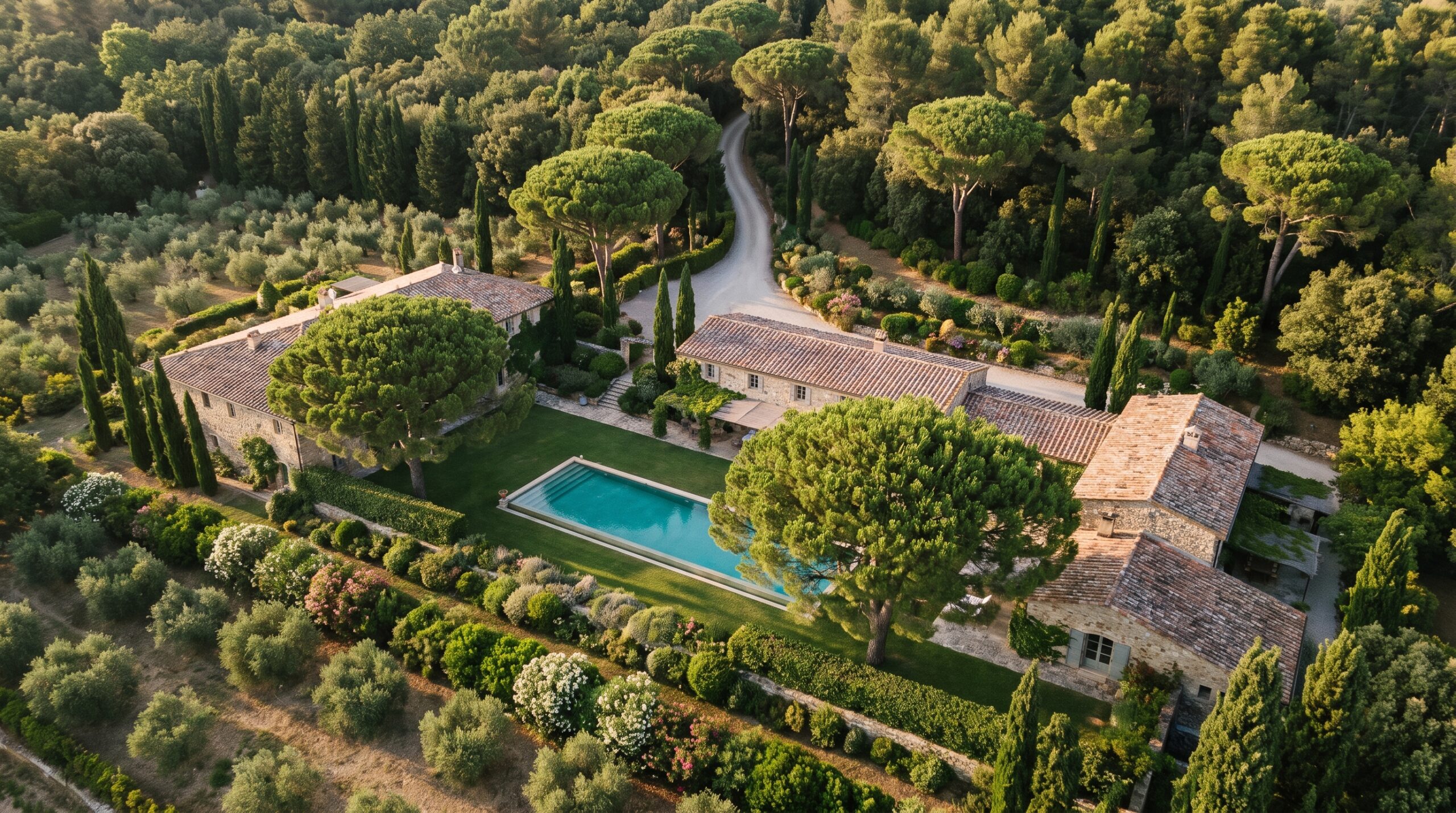
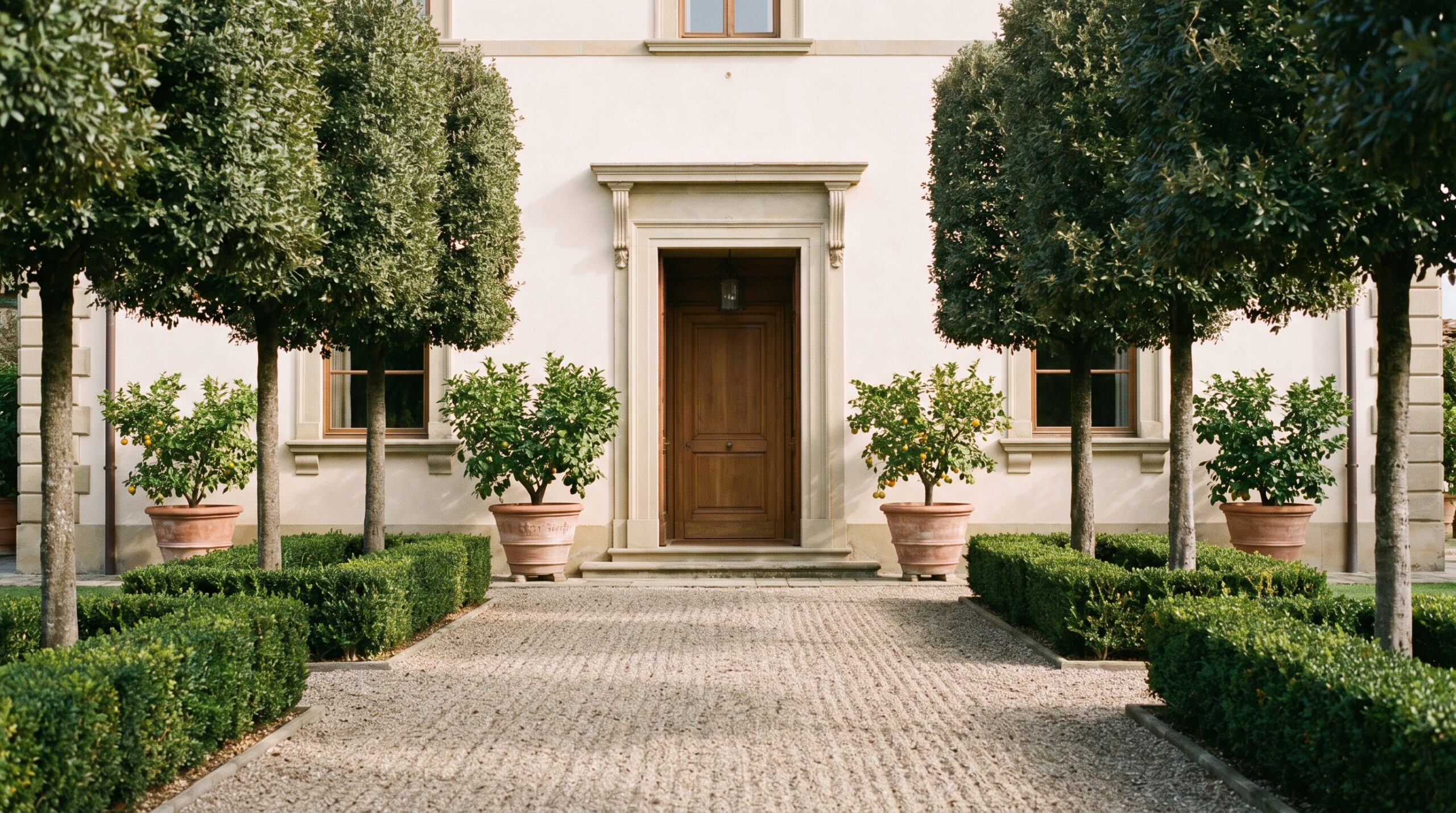
In the property sector, Professor John L. Crompton codified the financial impact of green space through the Proximate Principle: buyers and investors consistently demonstrate a willingness to pay a premium for properties adjoining a well-curated, species-rich garden, effectively paying for the accumulated years of growth that vegetation already possesses. Subsequent econometric research confirms this dynamic—an average uplift of twenty per cent on the value of immediately adjacent properties, with premiums ranging between eight and ten per cent in the broader vicinity, exceeding sixteen per cent in dense urban environments. Commercial assets with manicured grounds lease more swiftly, sustain higher occupancy rates, and command superior rents.
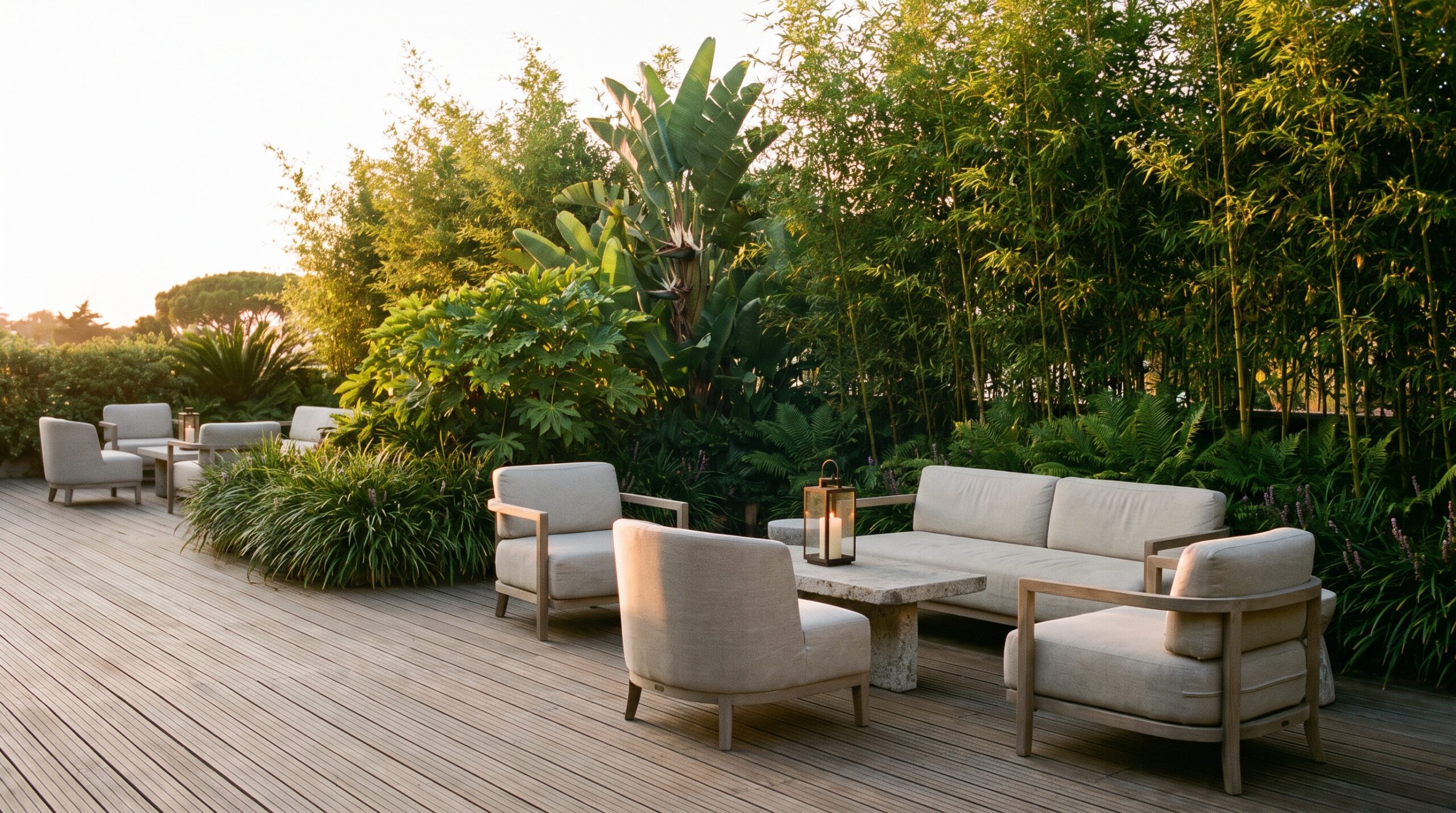
In the prime luxury market, these dynamics are magnified. The Knight Frank Wealth Report highlights an average increase of 3.2% in prime residential prices over the past year, with peaks of 6.4% in key hubs such as Madrid, where across the Jerónimos and Recoletos quarters proximity to mature green spaces has driven values up by over 40% in five years. Ultra-high-net-worth individuals seek turnkey, highly private estates capable of offering genuine respite: a mature garden functions as an acoustic and visual buffer, conferring upon the estate a sense of permanence that significantly expedites transactions.
The hospitality sector and the extraction of value from happiness
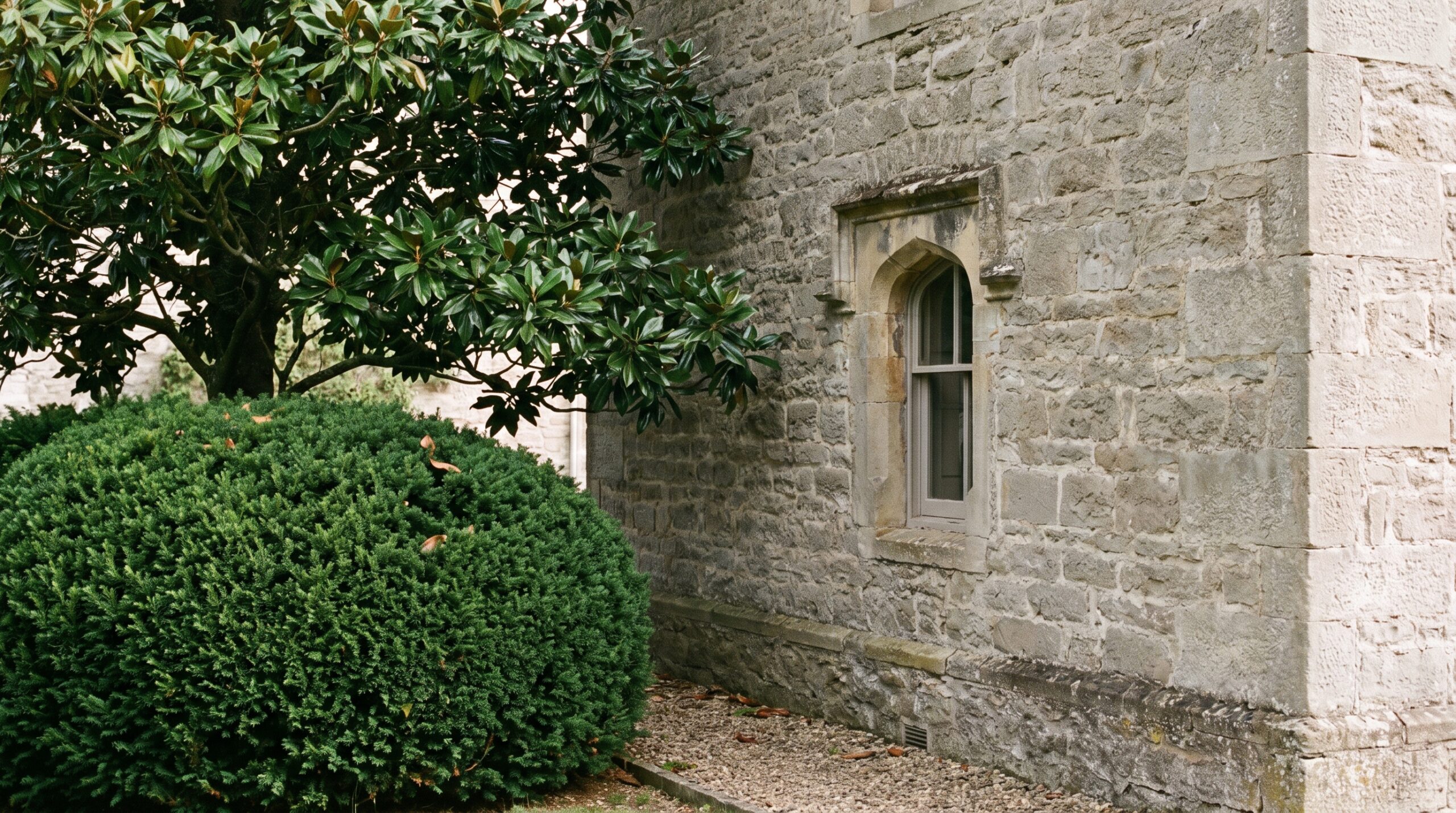
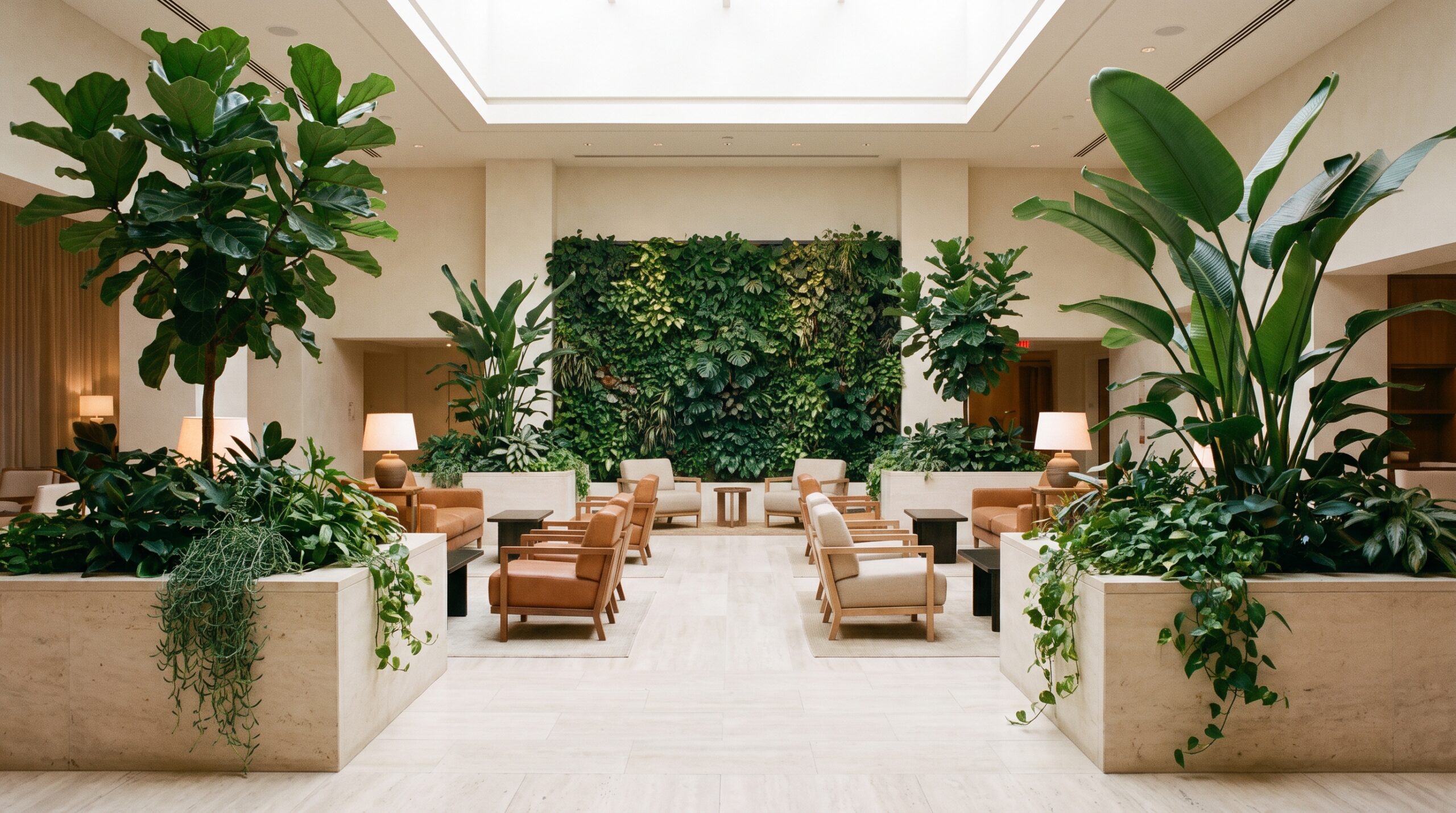
In luxury hospitality, returns are calibrated through metrics such as RevPAR and average daily rate. Research by Terrapin Bright Green translates the human affinity for living systems directly into balance sheet terms: guests are prepared to pay up to 18% more for a room offering views of a garden, with square footage and amenities held equal. The garden view, in short, trades as an independent premium product.
Where landscape dominates the spatial layout, guests spend more time in communal spaces and make greater use of dining and wellness facilities: this prolonged dwell time translates directly into higher ancillary spend. Guest reviews consistently validate this pattern—in hotels nestled within rich plant communities, commentary focuses heavily on design aesthetics, insulating the property’s overall reputation even when minor operational friction occurs.
Global benchmarks of commercial success
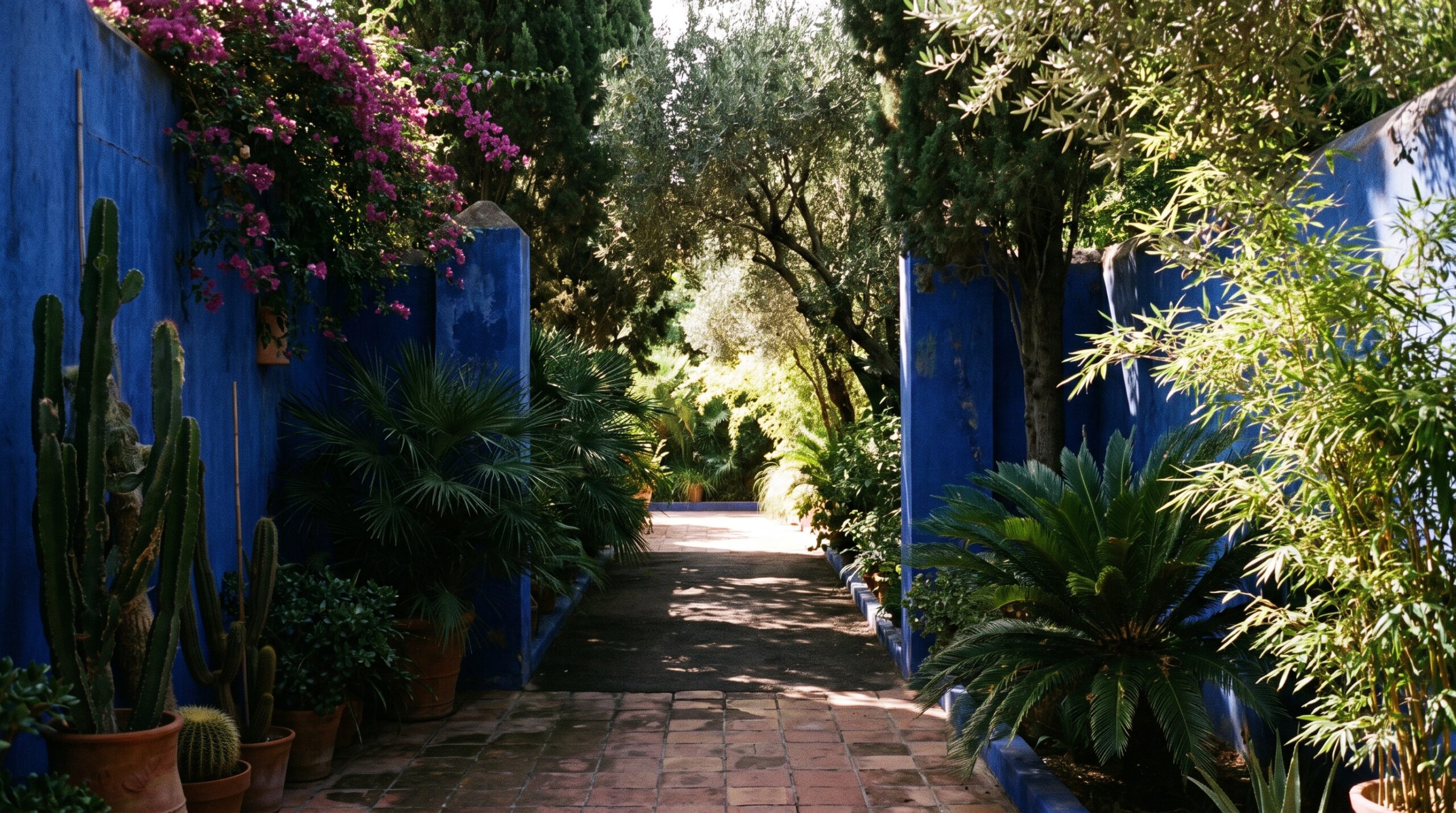
Several international benchmarks illustrate how meticulous garden management has evolved into a primary revenue driver rather than a branding afterthought. RHS Garden Bridgewater in the United Kingdom, delivered with an investment between £35 million and £65 million, welcomed over 500,000 visitors in its inaugural year, propelling the wider RHS network beyond three million total visits; the projected cumulative economic impact on the local economy stands at £1 billion over a decade. In Morocco, the Jardin Majorelle houses roughly 300 plant species across 8,000 square metres and attracts 900,000 visitors annually, generating substantial revenue across ticketing, cultural programming, and premium retail. In New York, the High Line repurposed an abandoned industrial viaduct into a corridor of native planting, unleashing real estate appreciation across surrounding neighbourhoods measured in billions of dollars of new residential developments. In Italy, Giardini Pistola positioned the landscape as the focal point of a high-yield hospitality model spanning private rentals and international events: the succession of seasons, from spring flowering to the architectural starkness of winter, preserves year-round engagement, ensuring no phase feels diminished.
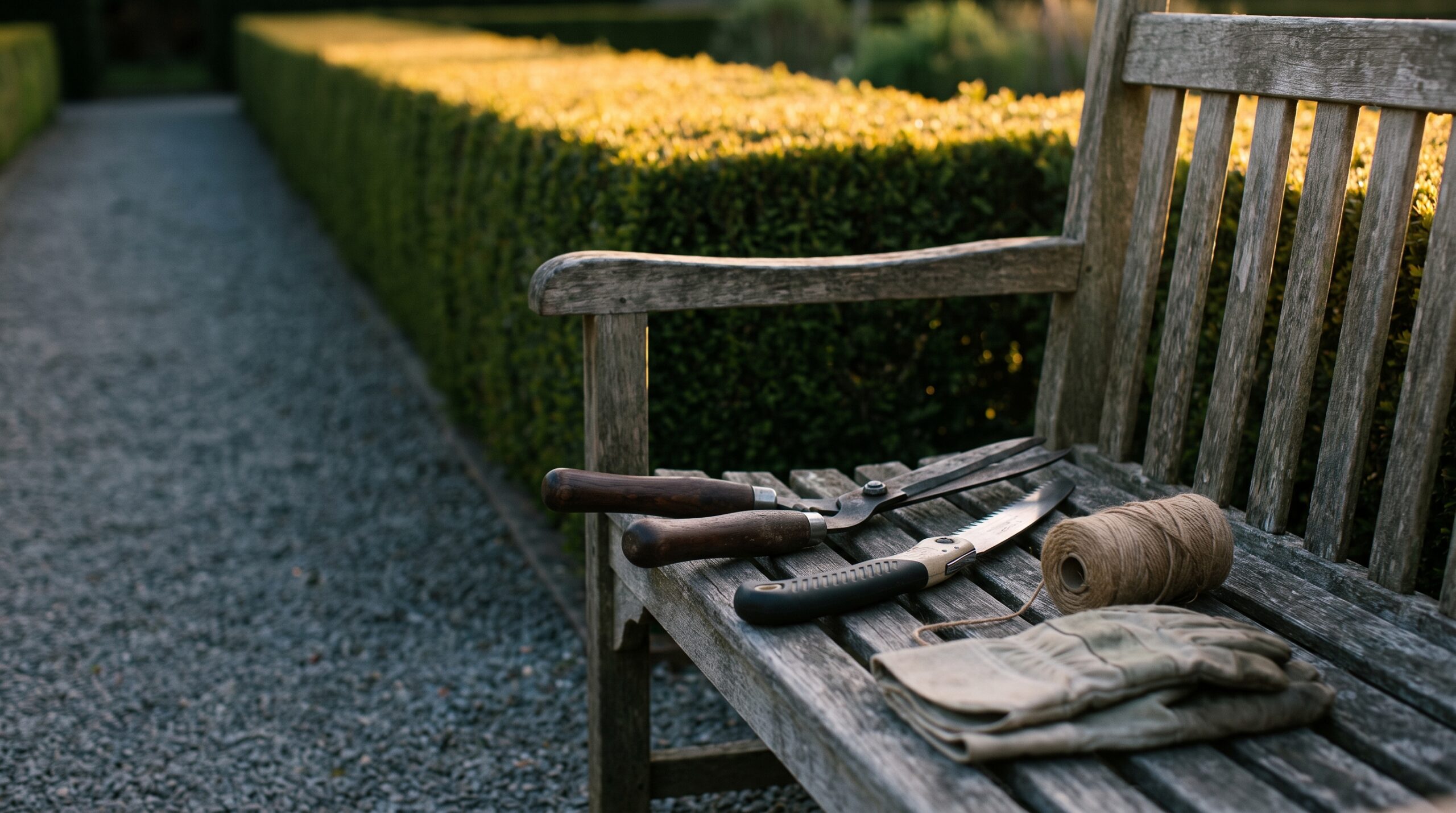
On the South African estate of Babylonstoren, an extensive formal geometric garden sits at the core of the commercial enterprise: the health and precision of the planting justify elevated suite rates and extend guest length of stay, while farm-to-table produce closes the loop on a self-sustaining, highly profitable micro-economy.
Competitive advantage and the role of the head gardener
Corporate finance employs the term economic moat to describe a structural advantage difficult for competitors to bridge. A competitor can always allocate capital to build a luxury spa or integrate new technology, rapidly levelling the playing field. Yet time cannot be bought: the compositional balance of a mature garden requires years of skilled dedication to achieve its full form, rendering it impossible to replicate in the short term. Unlike interior finishes and furnishings, which begin their depreciation cycle from the day of installation, a garden is the sole asset whose value appreciates over time, layering beauty season after season.

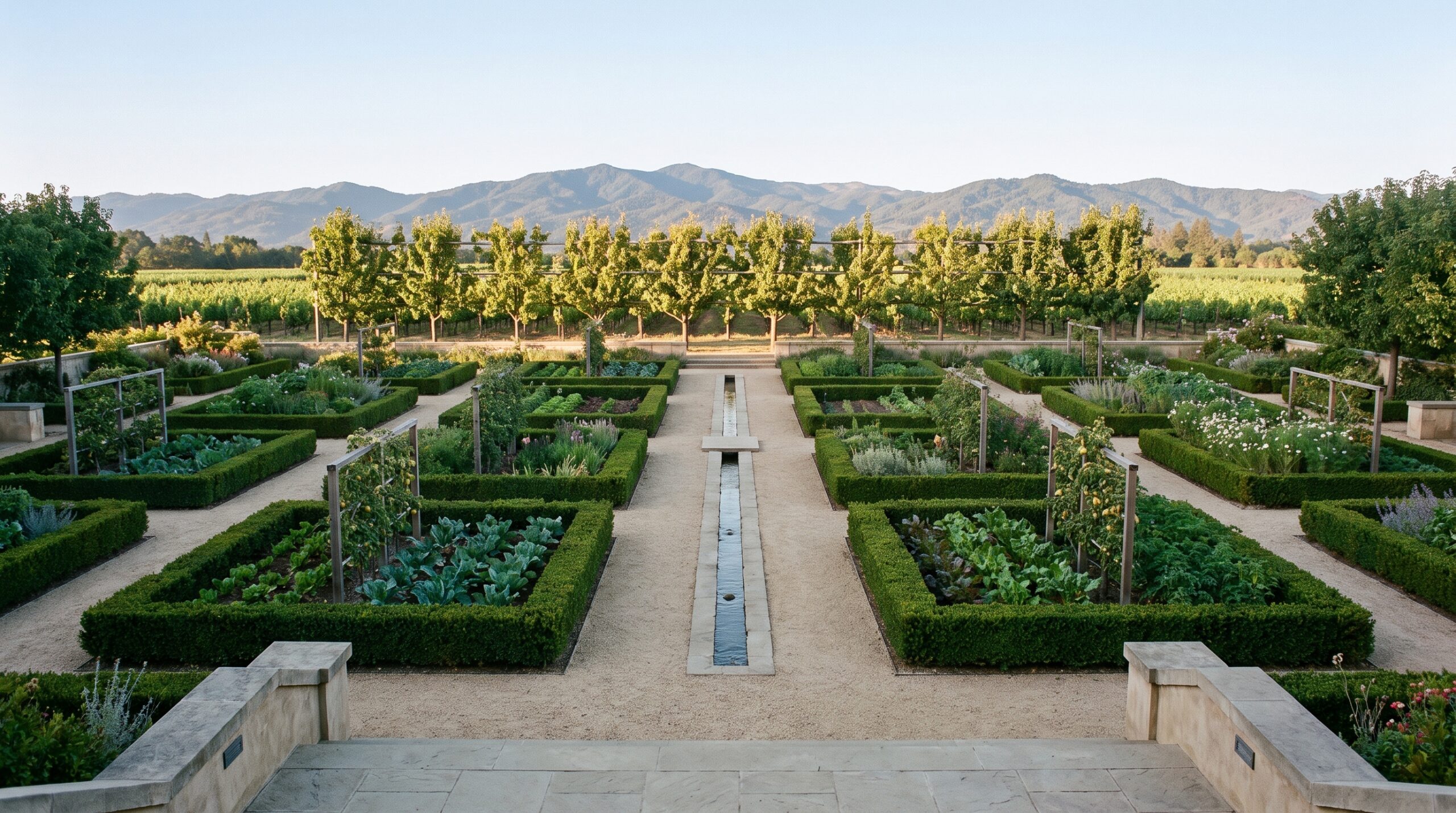
This potential, however, is never permanently secured: it relies on continuity of care that no capital injection can replace with a one-off intervention. Here, the gardener assumes a central role as the custodian of an expression of nature codified by human intellect. Without this ongoing presence, the value accumulated across years of growth can dissipate within a few seasons of neglect, which is why the budget allocated to this specialised professional represents a capital preservation measure rather than an operational overhead to be trimmed. The landscape professional operates as an artistic director in real time, calibrating pruning regimes and orchestrating the evolution of species so that the visual spectacle justifies the visitor’s investment and ensures emotional fulfilment. It is the very relationship of care outlined by Cooper, applied at the scale of professional stewardship: an ongoing dialogue with living matter, rather than passive possession, is what yields both the happiness of those who inhabit the space and the lasting value that space retains over time.
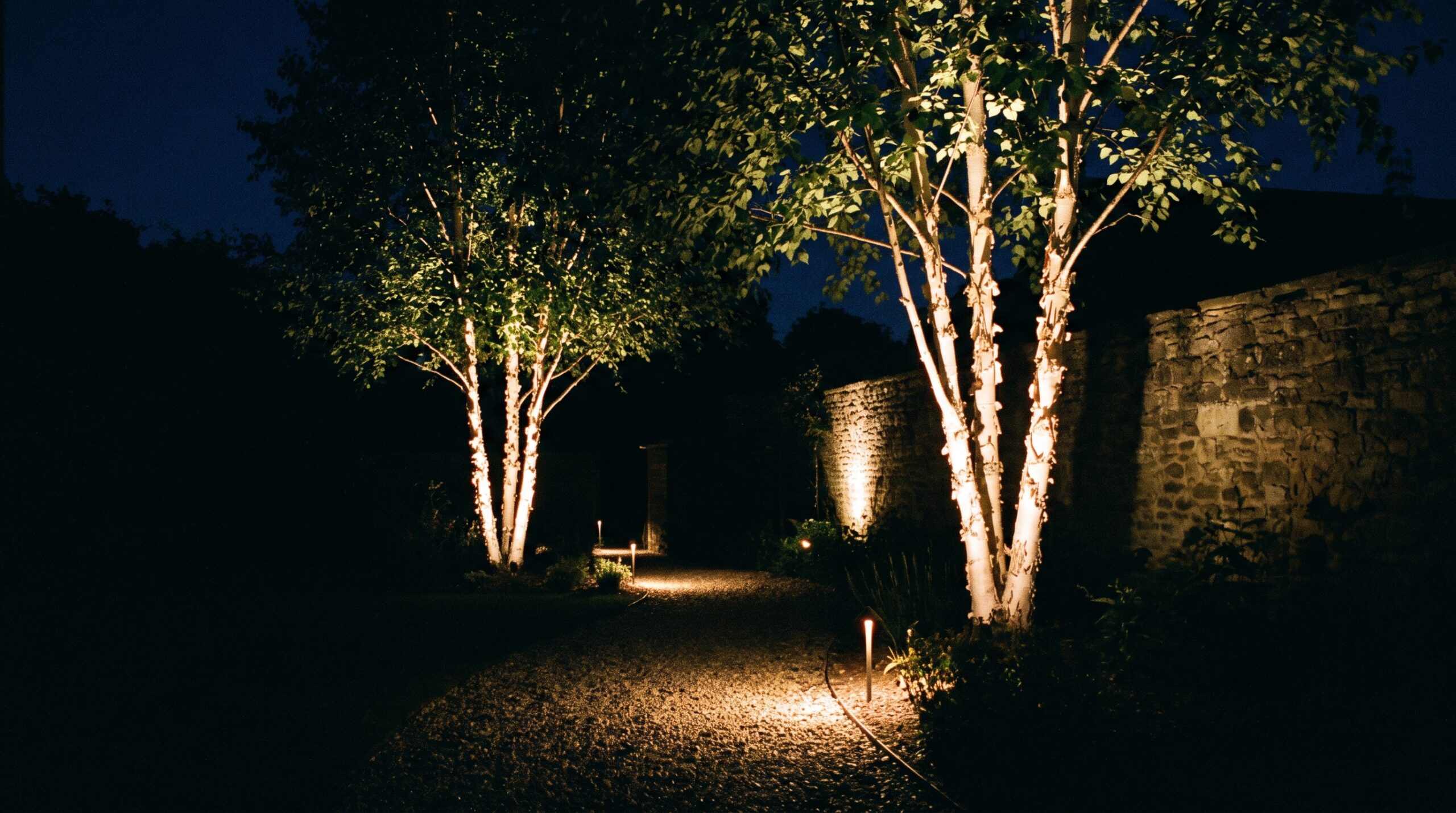
At a time when the apex of luxury is pivoting from material opulence toward the possession of space, silence, and beauty in perpetual evolution, the garden stands as the most resilient investment infrastructure. Surrounding oneself with a rigorously designed landscape grants access to an authentic form of happiness—demanding active engagement rather than passive ownership—while securing enduring capital growth, because that very relationship creates a natural scarcity that the market cannot replicate.